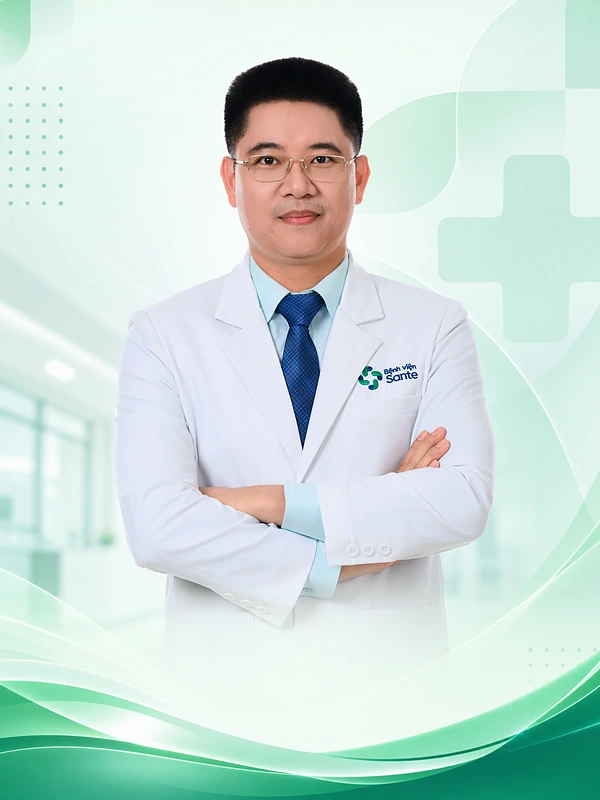
Department of Neurosurgery & Spine -
Sante Hospital: Intensive Treatment & Early Recovery

The Department of Neurosurgery & Spine at Sante Hospital provides comprehensive examination, diagnosis, and treatment for spinal degenerative diseases, herniated discs, spinal stenosis, and nervous system injuries. Depending on the extent of the lesion and the degree of nerve compression, physicians prioritize conservative treatment methods or indicate minimally invasive surgery assisted by the Zeiss Tivato 700 surgical microscope and C-arm system, combined with a multimodal analgesia protocol to minimize soft tissue damage and promote early motor recovery for patients.
1. Comprehensive Examination and Treatment Guidance at Sante Hospital
Neuro-spine diseases present with very diverse manifestations. Even with the same symptoms of lower back pain or neck and shoulder stiffness, the underlying cause may stem from disc degeneration, herniated disc, spinal stenosis, or compressed nerve roots.
At Sante Hospital, the treatment process is based on a close combination of clinical findings and diagnostic imaging:
- Comprehensive symptom evaluation: Specialists directly examine reflexes, muscle strength, and sensation to accurately identify the true lesion site, avoiding merely focusing on temporary pain relief.
- Advanced diagnostic imaging: Spinal X-rays, computed tomography (CT scan), and magnetic resonance imaging (MRI) help accurately assess the degree of degeneration, the location of the herniated disc, and the severity of spinal stenosis.
- Tailored treatment plan for each patient: Maximum priority is given to conservative medical management, physical therapy, and rehabilitation before considering surgical intervention.

2. Specialized surgical equipment at Sante Hospital
Neurosurgery and spine surgery demand high precision because they directly involve the spinal cord, nerve roots, and vital anatomical structures. To assist surgeons in effectively controlling interventions and maximizing the preservation of surrounding healthy tissue, Sante Hospital is equipped with advanced operating room suites and specialized technologies:
- Zeiss Tivato 700 surgical microscope: Facilitates high magnification and fine detail visualization of the operative field, enabling surgeons to operate precisely and safely dissect the herniated mass from nerve roots.
- Oscar Prime C-arm system: Provides continuous X-ray imaging during surgery, assisting doctors in verifying anatomical landmarks and accurately guiding surgical instruments.
- Ultrasonic scalpel: Supports specialized bone manipulation as indicated, minimizing damage to adjacent soft tissues and dura mater.
- High-speed drill system: Assists doctors in manipulating bone structures quickly and accurately, minimizing intraoperative bleeding.

3. Common neuro-spine conditions treated at Sante
The Department of Neurosurgery & Spine at Sante Hospital provides examination and treatment for cervical spine, lumbar spine, and nervous system conditions:
3.1. Cervical spine conditions
The cervical spine supports the head while protecting the spinal cord and nerve roots innervating the upper limbs. When degeneration occurs, patients may experience conditions such as:
- Cervical spondylosis: Structural changes in the bones and facet joints over time, causing neck pain and restricted neck rotation and flexion.
- Cervical herniated disc: The disc displaces from its normal position, compressing nerve roots and causing cervicobrachial syndrome (sharp, burning pain radiating from the neck down to the shoulders, arms, and fingers).
- Degenerative cervical spinal stenosis: The spinal canal is narrowed due to bone spurs (osteophytes) or thickened ligaments, reducing the space for the spinal cord.
- Degenerative cervical myelopathy, spinal cord compression: Spinal cord compression causes numbness in the limbs, muscle weakness, decreased hand dexterity, and an unsteady gait.
3.2. Lumbar spine disorders
The lumbar spine bears a heavy load during all daily activities such as standing, sitting, bending over, and carrying heavy objects. Common conditions include:
- Lumbar spondylosis: Degenerative changes in the vertebral bodies and reduced disc height cause persistent lower back pain and fatigue.
- Lumbar herniated disc: The nucleus pulposus herniates through the annulus fibrosus, compressing the sciatic nerve root and causing pain radiating from the lower back down to the buttocks, thighs, and calves.
- Lumbar spinal stenosis: The spinal canal narrows and compresses the nerve roots, leading to pain, leg numbness, and impaired walking ability (having to stop and rest after walking a short distance).
- Foraminal stenosis causing nerve root compression: Narrowing of the intervertebral foramen constricts the exit pathway of the nerve root, causing radiating pain, numbness, or muscle weakness along the nerve distribution.
- Spondylolisthesis: A vertebra shifts forward or backward relative to an adjacent vertebra, causing back pain that worsens when standing or moving.
- Scoliosis: The spine curves abnormally, affecting posture and body balance.
- Vertebral compression fracture due to osteoporosis or trauma: The vertebral body collapses due to weakened bone or traumatic impact, causing severe back pain upon movement.
4. Minimally invasive surgery and postoperative rehabilitation care
In surgical spine treatment, minimally invasive surgery is an important approach aimed at reducing the impact on surrounding soft tissues:
- Minimizing soft tissue damage: Surgeons access the lesion site through a small incision, minimizing dissection of muscles supporting the spine.
- Multimodal analgesia and rapid recovery: Patients experience less postoperative pain thanks to the application of a multimodal analgesia protocol, reducing blood loss and shortening hospital stays.
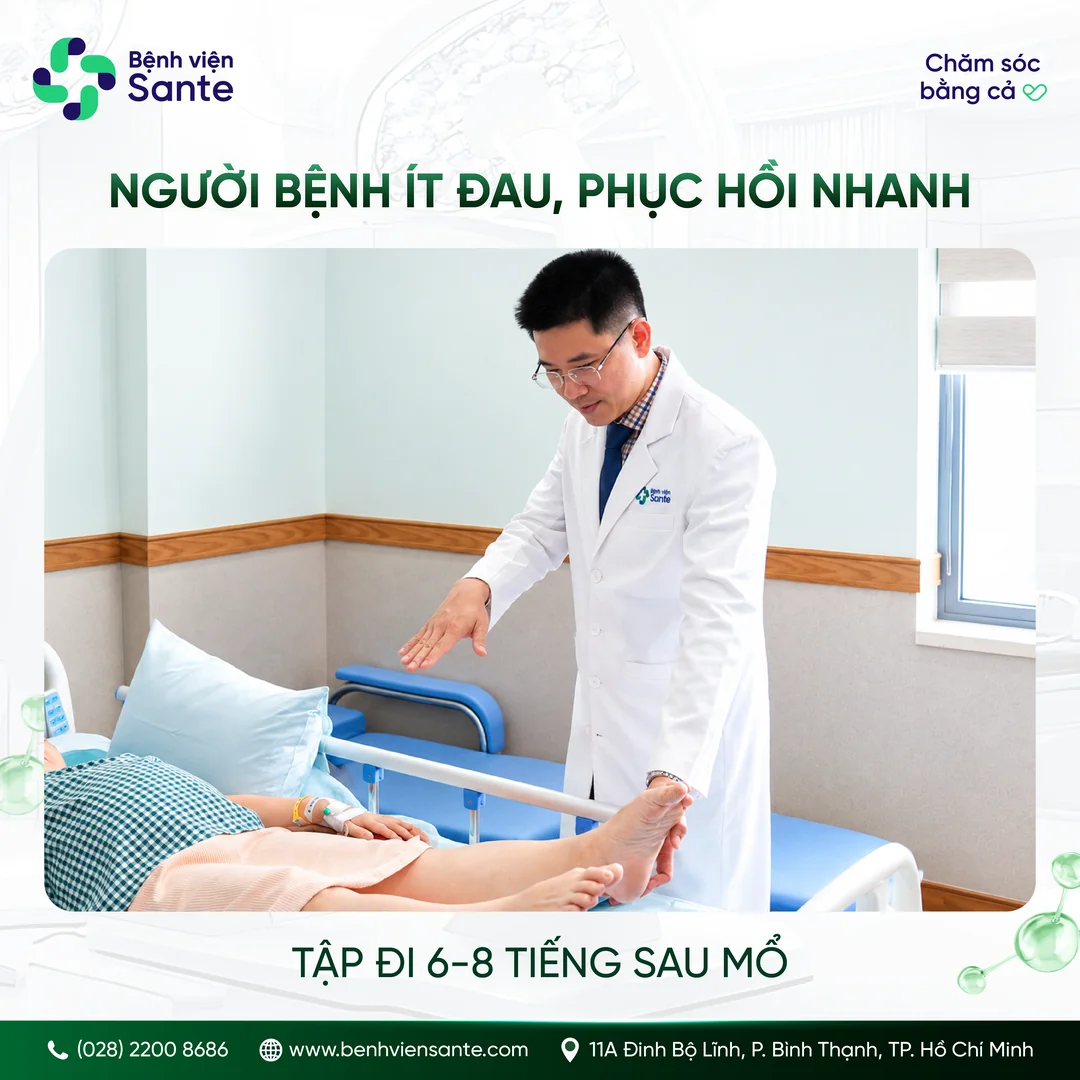
- Postoperative care and early mobilization: Doctors, nurses, and the rehabilitation team coordinate to monitor and guide patients to sit up and walk early after surgery according to their recovery capacity.
5. When should patients see a spine specialist?
Patients should proactively visit a hospital for an examination when experiencing the following symptoms:
- Neck or lower back pain lasting more than 2 weeks that does not subside with rest or progressively worsens over time.
- Pain radiating down to the arms and fingers, or running down from the buttocks to the legs accompanied by numbness and tingling.
- Weakness in the arms or legs, difficulty lifting the foot, frequent tripping while walking, or difficulty gripping objects.
- Signs requiring emergency medical care: Loss of sensation in the perineal/saddle area, urinary retention, or urinary or fecal incontinence.
6. Frequently Asked Questions about spine diseases and treatments (FAQ)
1. Does spinal degeneration or a herniated disc always require surgery?
Not all cases require surgery. In fact, the majority of patients are effectively treated with conservative methods such as medication, physical therapy, and rehabilitation. Surgery is only considered by physicians when conservative treatment fails to yield results after a follow-up period, or when nerve compression causes severe pain, muscle weakness, and significantly impacts daily living activities.
2. How long after minimally invasive spine surgery can patients walk?
Thanks to small incisions and minimal damage to surrounding muscles, patients typically experience less postoperative pain. Depending on physical condition and the extent of intervention, patients can be guided to sit up and practice gentle walking 24 to 48 hours after surgery with the assistance of medical staff.
3. Does examination and treatment for spinal diseases at Sante Hospital accept Health Insurance?
Yes. Sante Hospital applies Health Insurance policies in strict accordance with current regulations, while also supporting direct billing services with private health insurance providers to facilitate procedures and optimize costs for patients.
SANTE HOSPITAL – EXAMINATION AND TREATMENT OF SPINAL DISEASES
If you or your loved ones are experiencing persistent neck pain, lower back pain, or numbness in the limbs, please proactively contact the Department of Neurosurgery & Spine at Sante Hospital for examination and consultation on appropriate treatment methods by our specialists.