
EARLY DETECTION OF OSTEOPOROSIS FOR OPTIMAL BONE HEALTH PRESERVATION


1. What is osteoporosis?
2. Causes
Aging is the most common etiology. In addition, there are numerous other risk factors, including hormonal changes (e.g., menopause in women, low testosterone in men), deficiencies in calcium, vitamin D, phosphorus, magnesium, etc. A sedentary lifestyle, cigarette smoking, excessive alcohol intake, or a lack of weight-bearing exercise also contribute to osteoporosis. In addition to the aforementioned causes, certain medications (e.g., corticosteroids) and a family or genetic history of osteoporosis are also recognized etiological factors. Caucasian and Asian populations have a higher risk of developing osteoporosis compared to other demographic groups.

3. Symptoms of the disease
Typically asymptomatic until a fracture occurs.
Back pain (due to a fractured or collapsed vertebra).
Loss of height over time.
Stooped posture (kyphosis).
Frequent fractures, particularly in the hip, spine, or wrist.
4. Diagnosis and treatment
The standard method for diagnosing osteoporosis is dual-energy X-ray absorptiometry (DXA). This is a specialized X-ray technique that measures bone mineral density, typically indicated for the following individuals:
+ All women aged 65 and older.
+ Postmenopausal women up to 65 years of age presenting with risk factors, including a family history of osteoporosis, low body mass index, and tobacco use and/or medications associated with high risk of bone loss (e.g., corticosteroids, aromatase inhibitors)
+ Patients (male and female) of any age with osteoporotic fractures
+ Patients with imaging evidence of decreased bone mineral density or asymptomatic vertebral compression fractures incidentally detected on imaging
+ Patients at risk for secondary osteoporosis.
+ Blood tests to check calcium, vitamin D, and hormone levels.
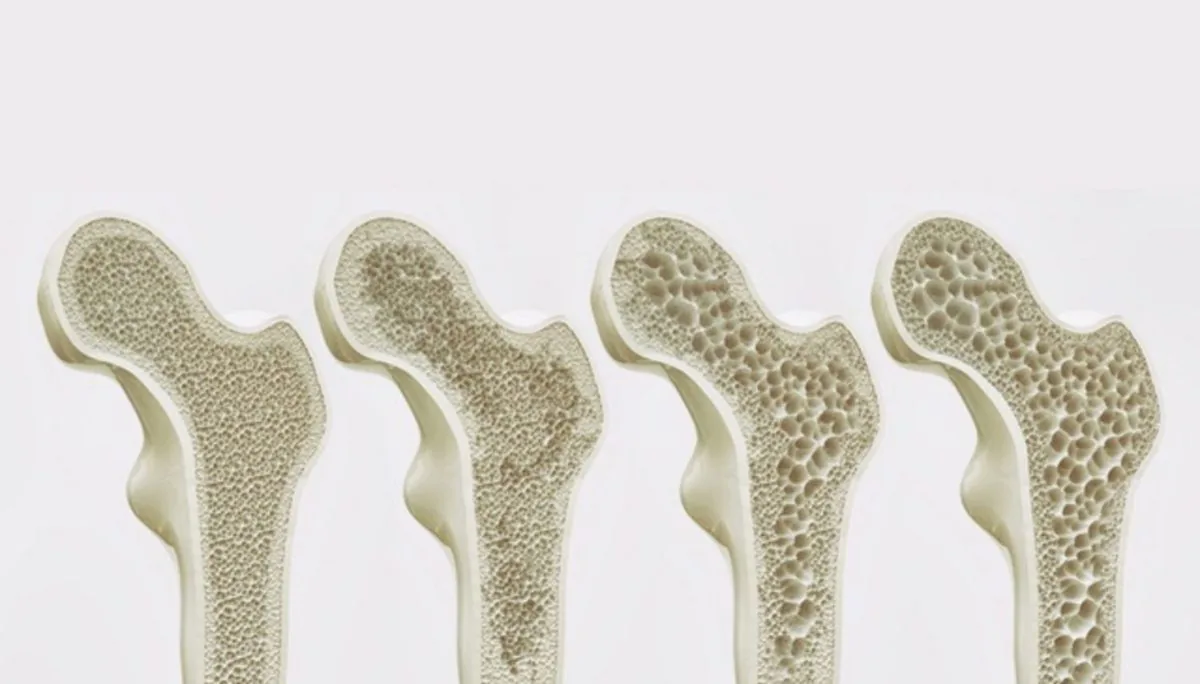
Osteoporosis treatment
- Medication Administration Guidelines:
- Calcium and vitamin D supplementation
- Antiresorptive agents (e.g., bisphosphonates, hormone replacement therapy, selective estrogen receptor modulators, receptor activator of nuclear factor kappa-B ligand [RANKL] inhibitors [denosumab])
- Anabolic agents (e.g., parathyroid hormone (PTH) analogues such as teriparatide and abaloparatide)
- Romosozumab, a monoclonal antibody directed against sclerostin with dual antiresorptive and anabolic effects
The goals of osteoporosis management are to preserve bone mass, prevent fractures, alleviate pain, and maintain function. The rate of bone loss can be decelerated with pharmacotherapy; however, adequate supplementation of calcium and vitamin D along with physical activity is crucial for maintaining optimal bone mineral density. Modifying modifiable risk factors is also essential.
5. Management of Osteoporotic Complications
Complications of osteoporosis can cause pain or fractures depending on the severity of the disease. Treating these complications requires multiple therapeutic modalities.
- Pain management: Treatment follows the World Health Organization (WHO) analgesic ladder combined with Calcitonin therapy.
- Fracture management: The physician will implement treatment modalities such as orthotic bracing, percutaneous vertebroplasty, or artificial vertebral body replacement. In select clinically indicated cases, surgical bone grafting or joint replacement may be considered.
- Long-term treatment
In addition to the above methods, to enhance therapeutic efficacy, patients will need to adhere to long-term management strategies such as:
- Closely monitor and adhere strictly to your physician's clinical instructions throughout the entire course of treatment.
- Undergo periodic bone mineral density (BMD) reassessments to evaluate therapeutic efficacy.
– Patients with osteoporosis should undergo sustained long-term treatment for approximately 3 to 5 years. Following this period, the physician will re-evaluate the clinical status to establish the subsequent therapeutic regimen.
6. Osteoporosis Prevention Strategies
To slow down and prevent osteoporosis, in addition to identifying secondary causes of osteoporosis, you need to note:
- Ensure adequate daily intake of calcium and vitamin D through diet, and consult your physician for guidance on suitable clinical-grade dietary supplements.
- Individuals categorized within high-risk groups should undergo bone densitometry for early screening and timely detection of osteoporotic signs.
- Engage in regular physical exercise at a tailored intensity to build a robust skeletal framework and enhance muscular flexibility, especially for seniors.
- Abstain from smoking and avoid excessive alcohol and stimulant intake to safeguard musculoskeletal health.
- Upon experiencing musculoskeletal symptoms (joint pain, muscle aches, frequent cramping, etc.), please visit the hospital promptly for timely examination and targeted clinical management.
- Avoid the overuse of musculoskeletal analgesics and anti-inflammatory medications, particularly corticosteroids. Misuse of these agents can exacerbate bone loss and precipitate serious clinical complications.
– Exercise caution in daily activities and work to prevent unfortunate accidents.

7. Patient Care Guidelines
7.1 Nutritional Regimen for Patients with Osteoporosis
Patients with osteoporosis should adhere to a healthy diet to control the condition, prevent disease progression, and optimally support treatment.
Nutritional guidelines for patients with osteoporosis must ensure an adequate intake of vitamins, minerals, and calcium.
Prioritize choosing fresh, clean food ingredients.
When managing elderly patients, caregivers should puree or finely chop food and divide daily intake into smaller, frequent meals. Furthermore, geriatric patients frequently suffer from malabsorption due to age-related gastrointestinal senescence. Consequently, caregivers should consult an attending physician regarding nutritional support, therapeutic tonics, and dietary supplements for the patient.
When exercising, patients with osteoporosis should warm up before physical activity and cool down afterward. Prior to exercise, a 10 – 15 minute warm-up with simple movements such as squats and jogging in place is recommended. After exercising, patients should cool down for approximately 5 – 10 minutes by relaxing the entire body combined with deep breathing. Additionally, elderly patients should avoid high-impact exercises on the skeletal system, especially exercises involving abrupt postural changes.
7.3 Fall Prevention
Falls are extremely dangerous situations for patients with osteoporosis. Therefore, in daily activities, patients need to note:
- Refrain from venturing out unassisted, and avoid walking on slippery, rocky, gravel-strewn, or uneven terrain.
- Ensure that all interior living areas are adequately and consistently illuminated at all times.
- Flooring should remain dry, clean, and uncluttered. Non-slip mats or treated hardwood floors may be utilized to prevent slippage and mitigate fall risks for patients.
- Install secure handrails along stairways and in bathrooms. Family members should stay close to assist patients during stair navigation or whenever necessary.
- Patients are advised to wear footwear equipped with slip-resistant soles.
- Elderly patients should exercise heightened caution when taking medications that cause dizziness or vertigo, as these may impair coordination and precipitate falls.
- Attend regular periodic follow-up appointments
Osteoporosis treatment may span approximately 3 – 5 years. Patients should maintain regular follow-up visits, adhere to medication regimens as directed by their physician, and undergo bone mineral density scans every 1 – 2 years. This assists in evaluating disease progression and therapeutic response. Based on clinical findings, the physician will perform a comprehensive assessment of the condition and bone loss severity to determine subsequent management strategies.
Department of Orthopedics & Traumatology, Sante Hospital specializing in the examination and treatment of musculoskeletal conditions, ligaments, cartilage, and surrounding soft tissues. Joint replacement surgery is routinely performed at Sante, with many patients recovering quickly and walking after 24h.
Contact us immediately for consultations and to book an appointment with leading specialists at Sante Hospital:
Address: 11A Dinh Bo Linh, Ward 14, Binh Thanh District, Ho Chi Minh City
Hotline: (+84) 28 2200 8686
Fanpage: www.facebook.com/benhviensante
Website: benhviensante.com
Proactively protect your health with our experienced specialist doctors and advanced medical equipment.
📞 BOOK AN APPOINTMENT NOW: (+84) 28 2200 8686 – (+84) 901 295 399
⏰ Monday – Saturday: Morning 7:30 AM – 12:00 PM, Afternoon 1:30 PM – 5:00 PM | 24/7 Emergency: ((+84) 937 389 539)
💳 Full nationwide health insurance coverage & Direct billing for private insurance accepted