
What Can Gastrointestinal Endoscopy Detect?

Gastrointestinal endoscopy is a direct visualization technique utilizing a high-definition flexible endoscope, enabling physicians to precisely detect mucosal lesions such as ulcers, acid reflux, polyps, hemorrhage, and precancerous tumors across the esophagus, stomach, duodenum, and colorectal tract. Based on individual clinical symptoms and risk factors, specialists prescribe upper endoscopy, colonoscopy, or a combined procedure for timely treatment planning.
1. What Is Gastrointestinal Endoscopy?
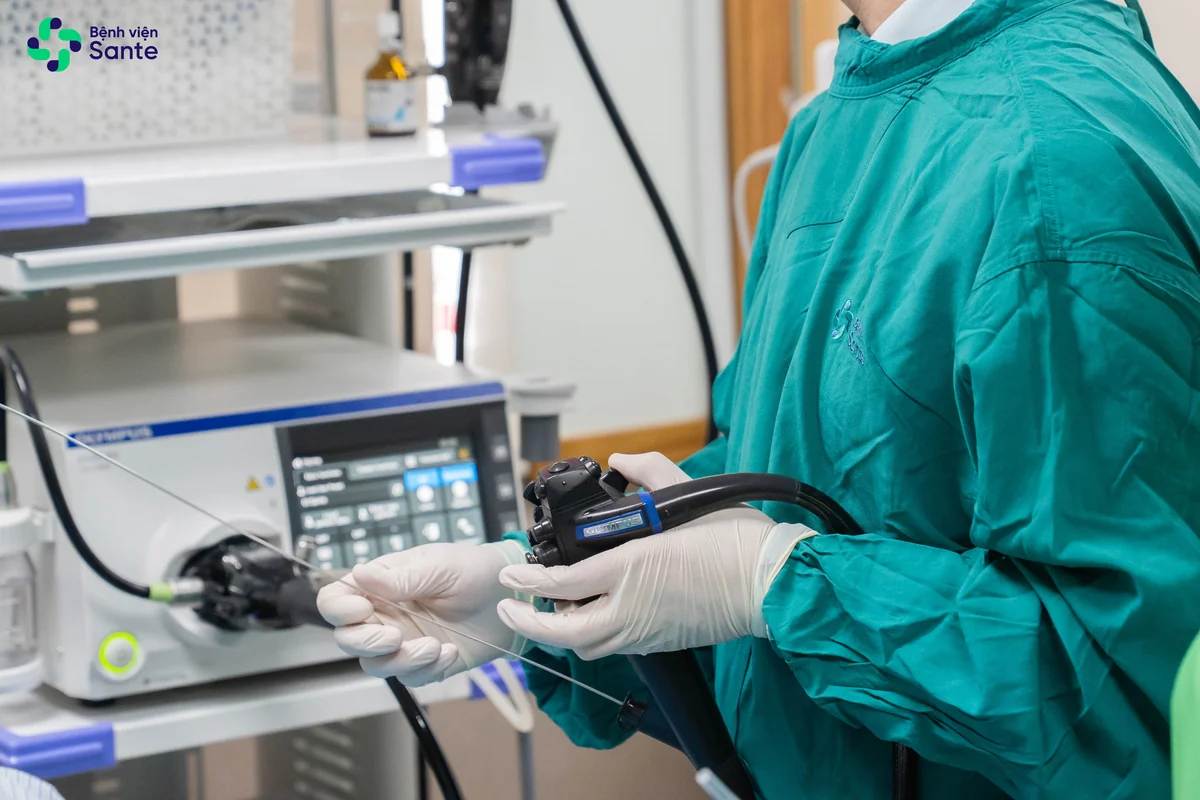
Gastrointestinal endoscopy involves a specialized, slim flexible tube equipped with an advanced light source and camera that transmits magnified images onto high-resolution medical displays. This allows specialists to meticulously inspect mucosal folds, evaluate microvascular architecture, and perform real-time interventions such as targeted biopsies or immediate hemostasis.
Modern gastrointestinal endoscopy is categorized into two primary modalities:
- Upper Gastrointestinal Endoscopy (Gastroscopy): The endoscope is introduced via the mouth or transnasal route to evaluate the esophagus, stomach, and initial segments of the duodenum.
- Lower Gastrointestinal Endoscopy (Colonoscopy): The scope is inserted through the rectum to thoroughly examine the entire colonic framework (sigmoid, descending, transverse, ascending colon, cecum) and terminal ileum.
2. What Conditions Can Gastrointestinal Endoscopy Detect?
Through direct optical magnification, gastrointestinal endoscopy empowers clinicians to detect a wide spectrum of disorders, from superficial mucosal erosions to advanced malignancies:
2.1. Esophagitis and Gastroesophageal Reflux Disease (GERD)
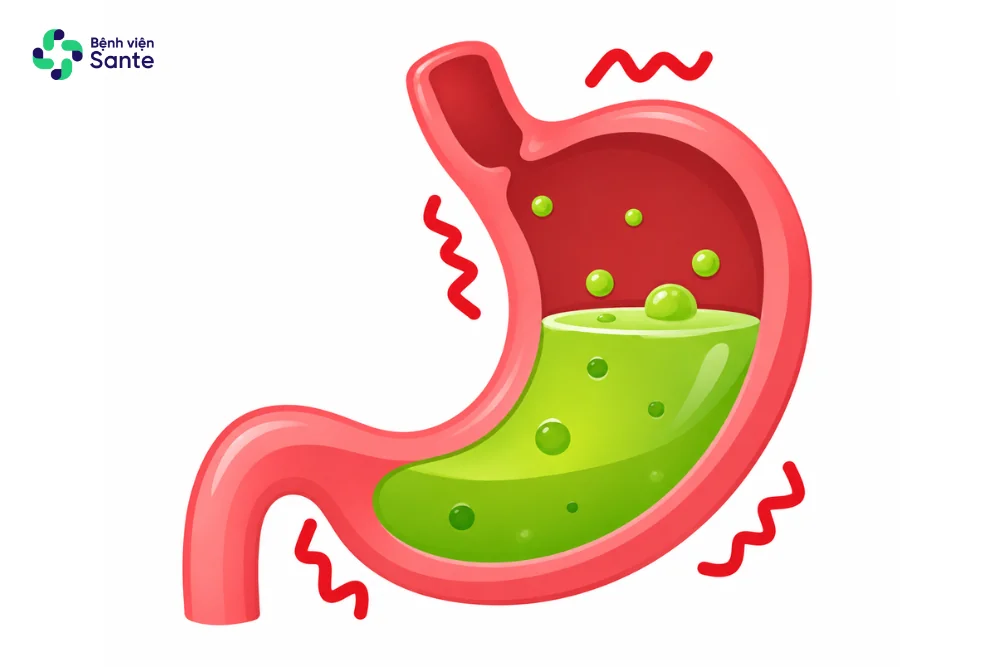
Gastroesophageal reflux disease commonly presents with retrosternal burning, acid regurgitation, globus sensation, or nocturnal chronic cough. Endoscopic evaluation accurately grades mucosal breaks via the Los Angeles classification (Grades A through D) and identifies Barrett's esophagus—a metaplastic condition predisposing to esophageal adenocarcinoma if left unmonitored.
2.2. Peptic Ulcer Disease and Helicobacter pylori (H. pylori) Infection
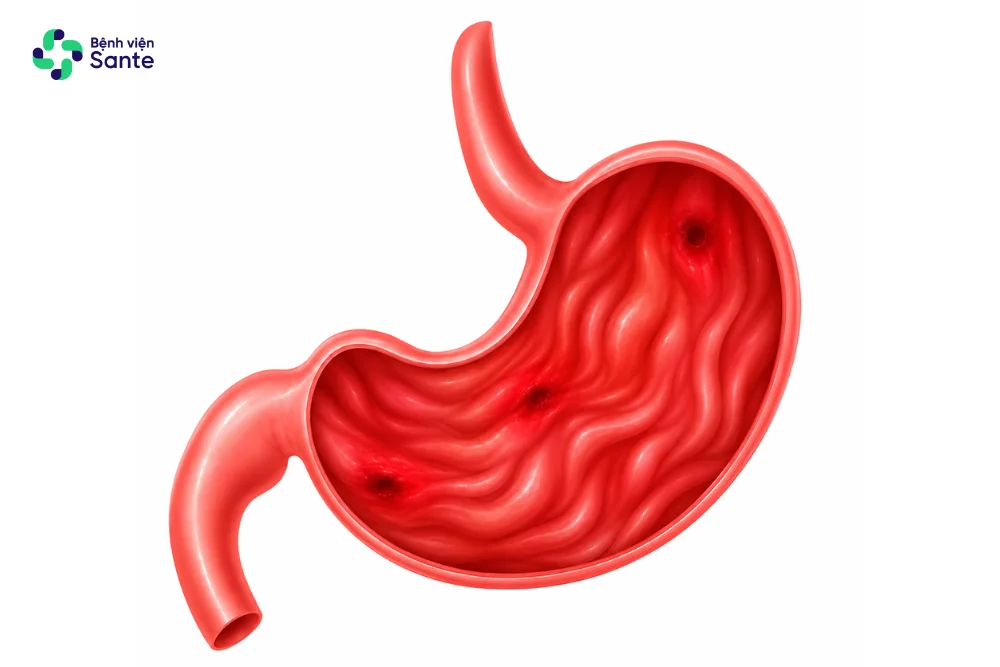
Peptic ulcer disease is a predominant etiology of epigastric pain, belching, abdominal bloating, and dyspepsia. Endoscopy pinpoints ulcer topography, dimension, and stigmata of hemorrhage. Concurrently, rapid urease testing (CLOtest) via targeted biopsy detects H. pylori—the leading causative agent of atrophic gastritis and gastric adenocarcinoma.
2.3. Gastric and Colorectal Polyps
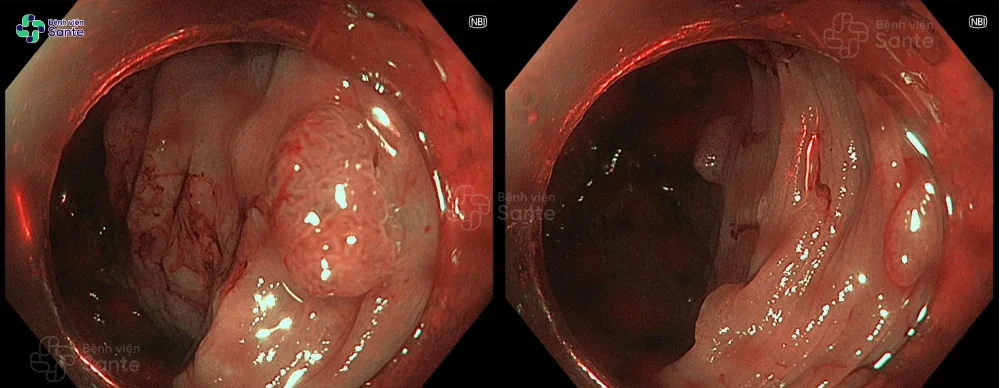
Polyps are abnormal mucosal projections protruding into the gastrointestinal lumen. The vast majority develop asymptomatically without warning signs. Through endoscopy, physicians identify adenomatous polyps, assess dysplastic potential, and perform therapeutic polypectomy to eliminate future malignant progression.
2.4. Inflammatory Bowel Disease (IBD) and Colitis
Chronic inflammatory bowel diseases including Ulcerative Colitis (UC) and Crohn's Disease trigger chronic diarrhea, hematochezia with mucus, and unintended weight loss. Colonoscopy with stepwise mucosal biopsies differentiates functional Irritable Bowel Syndrome (IBS) from organic autoimmune colitis, directing targeted immunosuppressive management.
2.5. Gastrointestinal Bleeding
Gastrointestinal hemorrhage is an acute clinical emergency manifested by hematemesis or melena (coffee-ground emesis and black tarry stools). Emergency endoscopy accurately pinpoints bleeding stigmata (peptic ulcers, Mallory-Weiss tears, or ruptured esophageal varices) and delivers immediate endoscopic hemostasis via hemoclips, sclerotherapy, or band ligation.
2.6. Screening and Early Detection of Precancerous Lesions
Powered by Narrow Band Imaging (NBI), specialized blue and green optical wavelengths enhance microvascular patterns and mucosal pit architectures. This enables endoscopists to delineate early superficial neoplasia, paving the way for organ-preserving Endoscopic Mucosal Resection (EMR) or Endoscopic Submucosal Dissection (ESD) without invasive open surgery.
| Comparison Criteria | Upper GI Endoscopy (Gastroscopy) | Lower GI Endoscopy (Colonoscopy) |
|---|---|---|
| Inspection Scope | Esophagus, stomach, duodenal bulb, and descending duodenum (D2) | Entire colonic framework, rectum, and cecum |
| Pre-Procedure Preparation | Fasting for at least 6 hours; withhold clear water 2 hours prior | Low-residue diet prior day; complete bowel cleansing medication as directed |
| Key Detectable Pathologies | GERD, erosive gastritis, H. pylori, peptic ulcers | Colonic polyps, colitis, Crohn's disease, colorectal cancer |
| Procedure Duration | Approximately 10 – 15 minutes | Approximately 20 – 30 minutes (varies by colonic tortuosity) |
3. When Should You Undergo Gastrointestinal Endoscopy?
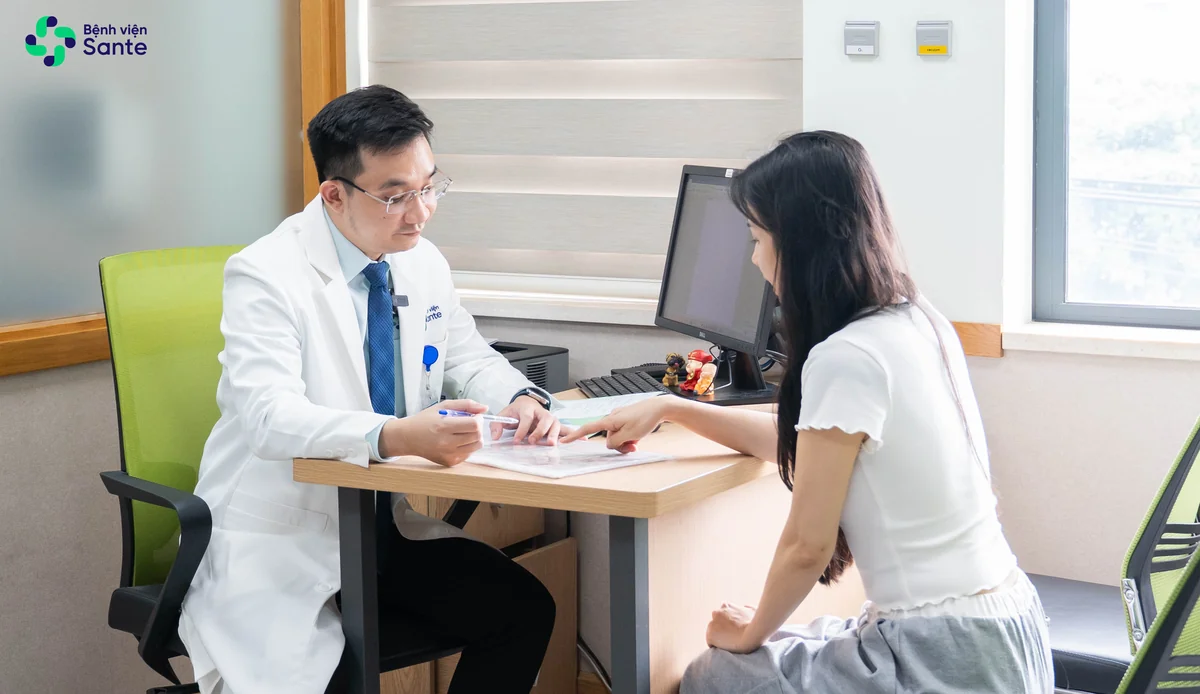
Beyond periodic screening for individuals aged 45 and above or those with familial malignancies, immediate clinical evaluation is warranted upon presenting with:
- Persistent dull or crampy epigastric abdominal pain refractory to standard medication.
- Heartburn, acid regurgitation into the throat resulting in hoarseness, dysphagia, or globus sensation.
- Altered bowel habits: alternating constipation and diarrhea persisting over 2 weeks.
- Rectal bleeding (bright red blood), hematochezia with mucus, or tarry black stools (melena).
- Unexplained rapid weight loss coupled with persistent fatigue and pallor (chronic anemia).
4. Essential Guidelines Before Gastrointestinal Endoscopy
Thorough patient preparation directly determines mucosal mucosal cleanliness and diagnostic visual clarity:
- For Upper Endoscopy (Gastroscopy): Absolute fasting is required for at least 6 hours before the procedure. Avoid colored beverages (coffee, tea, milk, soft drinks). Small sips of clear water are permitted up to 2 hours prior.
- For Colonoscopy: Strictly follow the bowel cleansing protocol prescribed by the medical team to ensure a clear colon lumen, preventing residual stool from masking diminutive polyps.
- Medication History Disclosure: Proactively notify the physician regarding anticoagulant/antiplatelet therapies, cardiovascular and antihypertensive medications, or allergies to sedative agents.
5. Frequently Asked Questions (FAQ)
1. Is Gastrointestinal Endoscopy Painful or Uncomfortable?
With conventional endoscopy, patients may experience mild gagging or transient abdominal fullness. At Sante Hospital, comfortable sedation endoscopy allows patients to rest peacefully throughout the 10-15 minute procedure without nausea, pain, or discomfort, awakening fully alert shortly after.
2. Can Endoscopy Detect Liver, Gallbladder, and Pancreatic Diseases?
Standard endoscopy examines only the luminal mucosal lining of the tract. Solid parenchymal organs such as the liver, gallbladder, biliary tree, and pancreas require multimodal assessment via abdominal ultrasound, CT scanning, MRI, or advanced Endoscopic Ultrasound (EUS).
3. How Soon Can You Resume Eating and Drinking After Endoscopy?
Approximately 1 hour post-procedure (once pharyngeal anesthesia and sedation dissipate), patients may sip warm water and consume light, easily digestible meals such as rice porridge or broth. Avoid spicy, greasy foods, and alcoholic beverages on the first day.
4. Does Endoscopic Polypectomy Require Hospitalization?
The majority of small polyp resections (under 10 mm) are safely performed as outpatient procedures, allowing discharge after 1-2 hours of recovery. For extensive or sessile polyps, an inpatient observational stay of 24 to 48 hours may be recommended to avert secondary hemorrhage.
6. Comprehensive Gastrointestinal Care and Screening at Sante Hospital
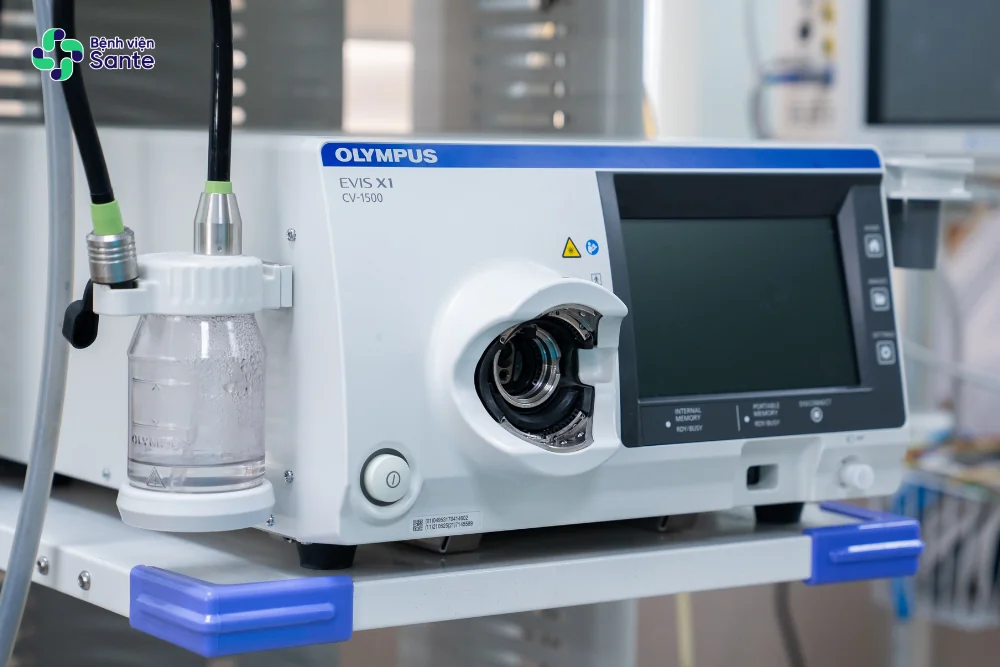
The Gastroenterology Center at Sante Hospital brings together seasoned clinical experts and premier Olympus EVIS X1 endoscopic technology, delivering a gentle, secure, and accurate diagnostic experience. Upon identifying irregularities, patients receive transparent clinical consultations and customized therapeutic regimens.
Proactively Protect Your Digestive Health with Sante Specialists
Do not let abdominal pain or digestive disturbances compromise your vitality. Schedule your gentle, pain-free endoscopy consultation today.