
What is a Goiter? Causes and Prevention

What is goiter?
- The thyroid gland, a delicate butterfly-shaped endocrine organ situated in the anterior neck, plays an essential physiological role in synthesizing metabolic regulatory hormones. Thyroid hormones, notably thyroxine (T4) and triiodothyronine (T3), are secreted directly into systemic circulation to orchestrate vital organ performance and metabolic balance—governing cellular energy, thermoregulation, cognitive function, cardiovascular dynamics, gastrointestinal motility, and muscular tone.
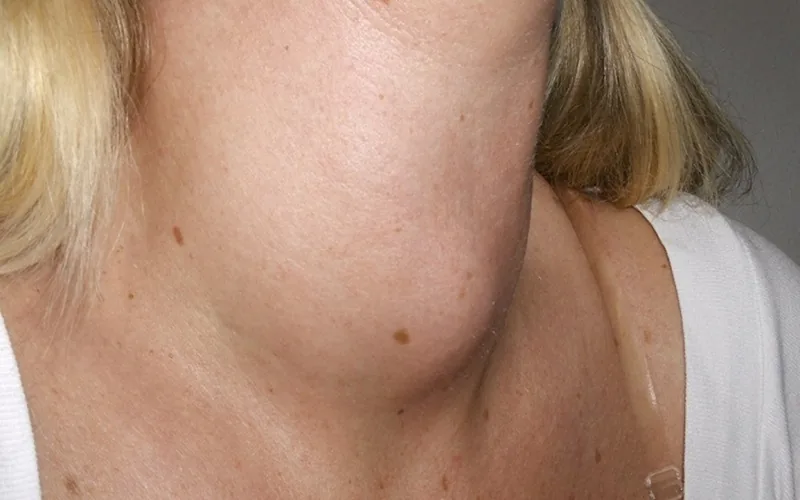
Learn about goiter
- A goiter may develop through diffuse thyroid parenchymal enlargement or aberrant proliferation of follicular cells forming solitary or multiple nodules. While goiters can arise in any individual, clinical prevalence is markedly higher in women. In select cases, a goiter impairs baseline thyroid function, resulting in significant perturbations in circulating thyroid hormone levels.
- The clinical etiology of goiter is diverse, yet nutritional iodine deficiency remains the foremost causative factor worldwide. Therapeutic management is meticulously tailored to the underlying etiology, presenting clinical symptoms, and associated systemic complications. For discrete, asymptomatic goiters presenting without functional disruption, specialized therapeutic intervention is generally not indicated.
Common Types of Goiter
Classification based on the morphological growth pattern of goiter
- Simple goiter (benign goiter): This is a type of goiter that occurs when the entire thyroid gland becomes enlarged. When palpated, the goiter feels smooth and causes a choking sensation in the throat.
- Uninodular goiter: This type of tumor can present as a solid or cystic (fluid-filled) nodule. When the nodule is large or elevated above the skin surface, the mass may be visible or palpable. When small in size, it can be detected via thyroid ultrasonography.
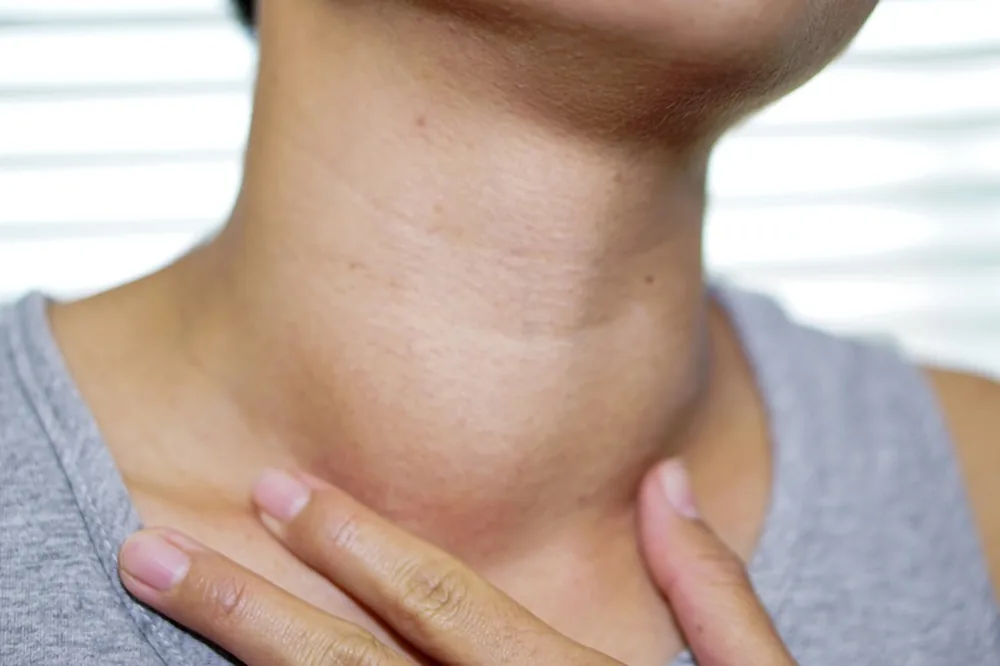
Signs of a goiter
- Multinodular goiter: This occurs when multiple nodules develop simultaneously within the thyroid gland. The characteristics of multinodular goiter are similar to those of solitary thyroid nodules.
Classification of goiter based on thyroid function
- Toxic goiter: The thyroid gland enlarges and produces thyroid hormone in excess of normal levels, causing symptoms of hyperthyroidism.
- Non-toxic goiter: The thyroid gland enlarges, but produces thyroid hormone at normal levels (called euthyroidism). This means there is no hyperthyroidism or hypothyroidism.
What are the risk factors for goiter?
- Dietary iodine deficiency constitutes the most prevalent cause of thyroid enlargement. When a goiter emerges secondary to inadequate iodine intake, it is clinically designated as a simple (euthyroid) goiter.
- Predisposing clinical factors that may elevate the risk of developing a goiter include:
- A personal history of conditions such as thyroid cancer, thyroid infections, or thyroid cysts.
- Having a family history of thyroid goiter or nodules.
- Currently pregnant.
How goiter is diagnosed
- To confirm a definitive diagnosis of goiter, clinical specialists corroborate physical signs with meticulous clinical evaluations and findings derived from advanced laboratory and paraclinical diagnostic assessments.
- The following therapeutic protocols represent efficacious treatment modalities available for the clinical management of a goiter:
- Blood tests: Assessment of thyroid hormone levels in the body.
- Ultrasound: Using ultrasound waves to produce images of the thyroid gland.
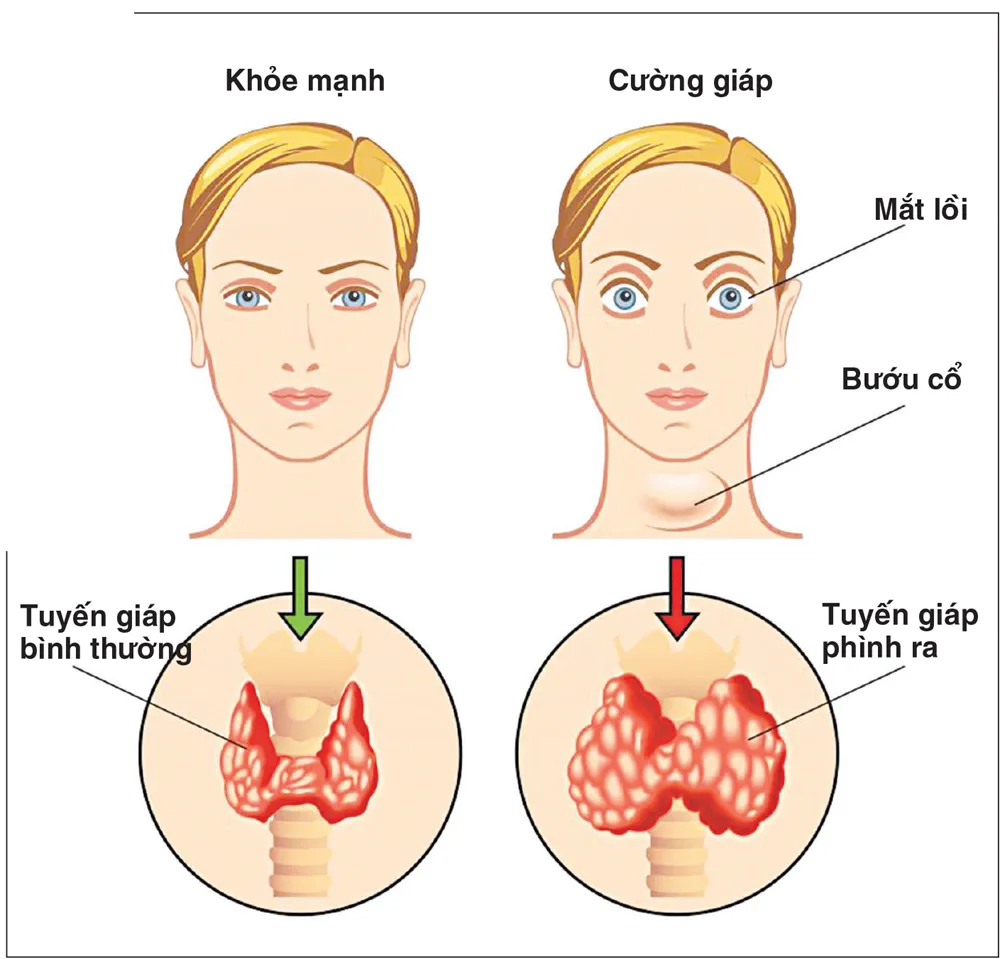
What are the risk factors that can lead to goiter?
- Biopsy: Obtaining thyroid tissue samples to assess the benign or malignant nature of the tumor.
- Thyroid Scan: Using radioactive dye to enhance thyroid imaging visualization. However, if you have a history of allergies to any dye, please inform your doctor prior to undergoing this test.
What methods can be used to treat goiter?
There are several treatment methods for goiter, including:
– Medical Management (Pharmacotherapy): Using thyroid medication to adjust thyroid hormone levels to normal.
– Radioactive Iodine (RAI) Therapy: Radioactive iodine is used to treat goiter associated with hyperthyroidism. This method helps reduce the size of the goiter.
– Surgical Procedure: In cases where medical treatment is not feasible or when goiter symptoms become more severe, surgery may be performed. Surgery is recommended when the size of the goiter exerts pressure on the trachea and esophagus, causing dyspnea or dysphagia for the patient.
Complications of goiter
- A prominent goiter can distort the anatomical contours of the anterior neck, significantly compromising aesthetic appearance. Furthermore, voluminous goiters may exert severe mechanical compression upon the trachea and upper airway, presenting life-threatening risks if timely intervention is not rendered.
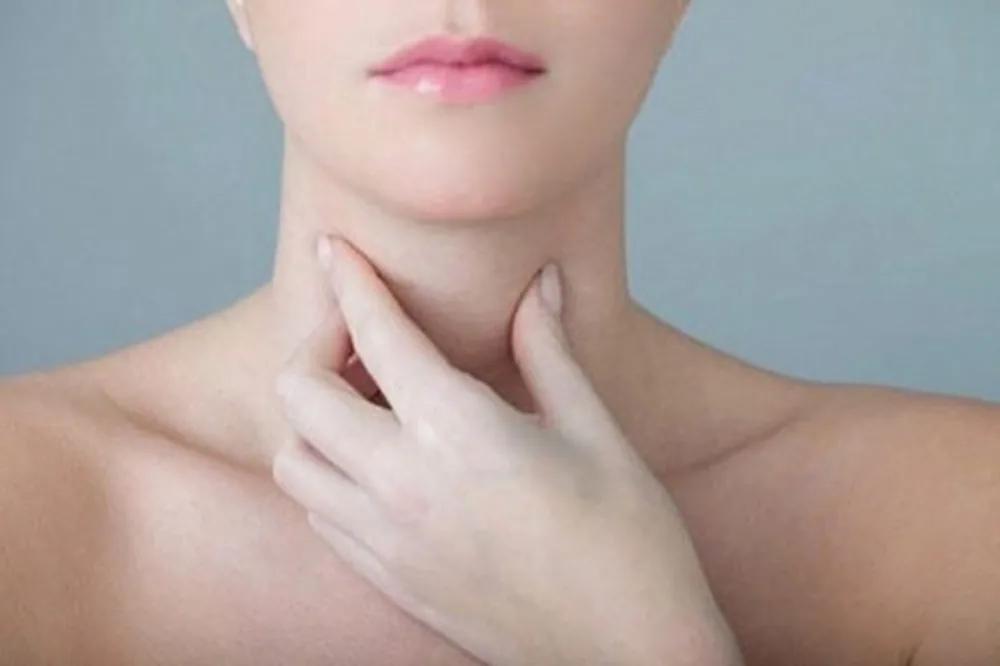
Gaining a comprehensive understanding of goiter for effective prevention
- Thyroid disorders can disrupt endocrine homeostasis—manifesting as hypothyroidism or hyperthyroidism—and confer substantial pathological consequences across multiple organ systems.
What methods are used to prevent goiter?
To prevent goiter caused by iodine deficiency (simple goiter), one can follow a healthy diet containing essential nutrient sources such as fish, dairy, and iodized salt. This helps maintain iodine balance in the body and prevents the development of goiter. However, iodine supplementation and other dietary supplements are generally not recommended and may cause more harm.
Conclusion
- This comprehensive guide encompasses all essential clinical insights regarding goiters—a frequently encountered endocrine pathology marked by discernible clinical manifestations.
- We trust that this overview provides a thorough medical understanding of goiter, empowering you to seamlessly implement proactive, health-protective preventive strategies.
Proactively protect your health with our experienced specialist doctors and advanced medical equipment.
📞 BOOK AN APPOINTMENT NOW: (+84) 28 2200 8686 – (+84) 901 295 399
⏰ Monday – Saturday: Morning 7:30 AM – 12:00 PM, Afternoon 1:30 PM – 5:00 PM | 24/7 Emergency: ((+84) 937 389 539)
💳 Full nationwide health insurance coverage & Direct billing for private insurance accepted
