Vestibular disorders

- In our daily lives, we often encounter considerable occupational stress and challenges, alongside suboptimal lifestyle habits.
- One medical condition that frequently causes profound instability and distress yet remains underrecognized is vestibular disorder. This article provides a comprehensive medical overview of this pathology, spanning its underlying etiologies to advanced treatment modalities.

Vestibular Disorders
Clinical Overview of Vestibular Disorder
The vestibular system, situated posterior to the cochlea, plays an essential role in preserving bodily equilibrium, posture, and the coordinated movement of the eyes, head, and trunk. Vestibular disorders arise from pathology of the eighth cranial nerve (vestibulocochlear nerve) or key components of the vestibular network, impairing balance control and precipitating symptoms such as vertigo, spinning sensations, blurred vision, and postural instability. Additionally, cerebral vascular insufficiency or anemia can delay or distort neural signaling between the brain and the vestibular apparatus, inducing vestibular dysfunction.
Etiology of Vestibular Disorder
Vestibular disorder may stem from diverse medical etiologies, including:
- Cerebral ischemia, vascular occlusion, systemic toxicity, or adverse reactions resulting from long-term pharmacotherapy can also induce vestibular disorders.
- Individuals with underlying medical conditions, such as diabetes mellitus, chronic kidney disease, thyroid disorders, and related metabolic illnesses.
- Inner ear trauma secondary to bacterial or viral otitis media.
- Suboptimal lifestyle habits, including excessive alcohol consumption and the use of stimulants.
- Habitual exposure to acoustic trauma or high-noise levels within residential or occupational environments.
- Advanced age correlates with a heightened incidence and risk of vestibular disorder.
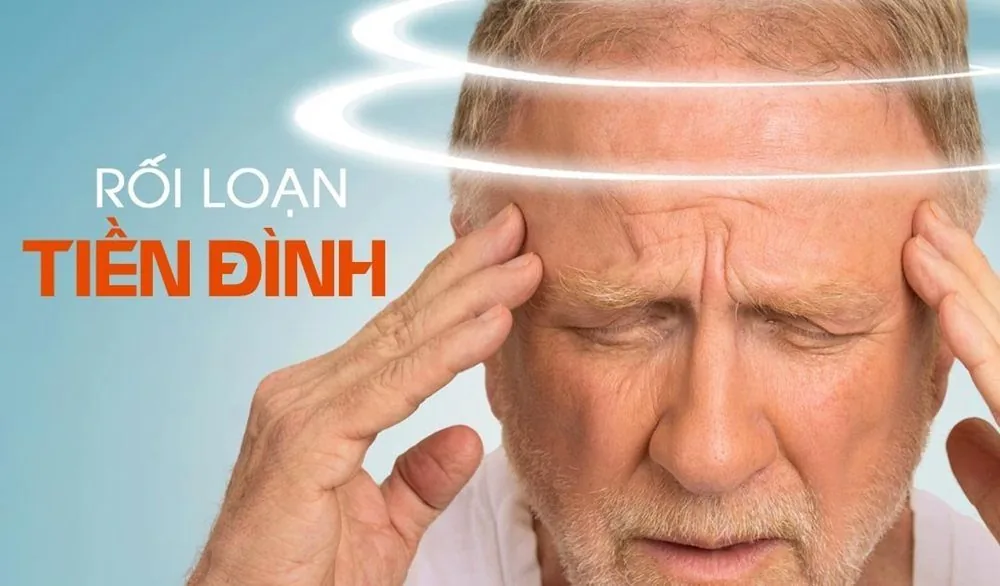
Symptoms of the disease
Clinical Manifestations of Vestibular Disorder:
- Sensations of vertigo and loss of balance
- Difficulty walking and maintaining an upright posture
- Tinnitus, visual blurring, or acoustic sensations within the head
- Nausea
- Other symptoms may also include heart rate fluctuations, anxiety, and gastrointestinal disturbances.
Treatment Methods
– In treating vestibular disorders, an accurate diagnosis is paramount. Based on medical history, clinical examinations, and diagnostic investigations, the physician tailors an optimal treatment plan for each patient—ranging from lifestyle modifications to pharmacotherapy, and surgical intervention when indicated.
- Pharmacotherapy: Includes motion sickness medications, antiemetics, and antihistamines.
- Physical Therapy: Comprises dedicated balance rehabilitation exercises and mobility-enhancing protocols.
- Surgical Intervention: In severe clinical cases, surgical intervention may be considered to address specific pathologies within the vestibular system, brain, or cerebral vasculature.
– Vestibular disorders may manifest for merely a few hours, yet they can also persist and recur over multiple days. Without timely clinical management, the condition can lead to serious complications such as chronic physical exhaustion, potential hearing loss, and even stroke resulting from compromised cerebral perfusion. Nevertheless, with precise diagnosis and appropriate therapeutic protocols, patients can achieve significant relief and effective symptom control. Seeking guidance from specialized medical professionals is essential to managing and treating this condition with clinical excellence.
—————————————————
Sante Hospital – Caring with all our heart
Address: 11A Dinh Bo Linh, Binh Thanh Ward, City. Ho Chi Minh
Hotline: (+84) 28 2200 8686
Email: info@santehospital.com
Website: www.bvsante.com
Proactively protect your health with a team of experienced specialists and modern medical equipment system.
📞 MAKE AN APPOINTMENT NOW: (+84) 28 2200 8686 – (+84) 901 295 399
⏰ Monday – Saturday: Morning 7:30 AM – 12:00 PM, Afternoon 1:30 PM – 5:00 PM | 24/7 Emergency: ((+84) 937 389 539)
💳 Full nationwide health insurance coverage & Direct billing for private insurance accepted