
Dietary Sugar and Systemic Inflammation

THE LINK BETWEEN SUGAR INTAKE AND INFLAMMATORY RESPONSES
- Inflammation is a natural physiological response of your body to infection or injury. It occurs when your immune system is activated, signaling white blood cells to repair damaged tissues.
- Refined sugar triggers the release of pro-inflammatory signals and can elevate the risk of chronic inflammation, which is implicated in major diseases such as cancer, diabetes, cardiovascular disease, arthritis, and Alzheimer's disease.
- When proteins or fats combine with sugar, harmful compounds known as AGEs are formed. Excessive blood sugar can compromise your intestinal barrier—enabling bacteria and other inflammatory particles to penetrate more easily.
THE TRUTH ABOUT SUGAR
– Sugars commonly carry chemical names ending in ‘-ose.’ Below are several frequently encountered ingredients:Sucrose, Glucose, Maltose, Lactose,Fructose, Molasses,Cane syrup,Agave nectar,Corn syrup,Brown rice syrup,Honey,Malt or maple syrup,Hydrolyzed starch.
– Not all sugars are detrimental. Naturally occurring sugars, such as lactose in dairy and glucose in fruit, offer wholesome sources of energy before and after exercise. Nevertheless, it is advisable to limit daily intake of refined sugars to approximately 25 grams, or six teaspoons.
5 ESSENTIAL PRINCIPLES OF A HEALTHY DIET

- Incorporate more plant-based foods. Vegetables, root vegetables, and fruits provide vital nutrients that combat inflammatory responses needed by your body. Therefore, prioritizing fresh fruits, vegetables, and whole grains is optimal.
- Focus on antioxidants. They assist in preventing, delaying, or repairing cellular and tissue-level damage. Exemplary choices include berries, oranges, leafy greens, beetroots, and avocados, as well as legumes, whole grains, ginger, turmeric, and green tea.
- Supplement with Omega-3. Omega-3 fatty acids play a crucial role in modulating the body's inflammatory cascade and can help alleviate inflammation-related pain. You can source them from healthy fats in fish such as salmon, tuna, and mackerel, as well as in modest quantities from soybeans, walnuts, pecans, and flaxseeds.
- Moderate red meat consumption. Red meat can induce inflammation. Consider substituting it with fish, poultry, nuts, or soy-derived plant protein.
- Reduce processed food intake. Sugary cereals and beverages, crispy fried items, and pastries are notable inflammatory triggers. They often contain high levels of unhealthy fats closely associated with heightened inflammatory responses.
PRACTICAL TIPS FOR REDUCING DIETARY SUGAR
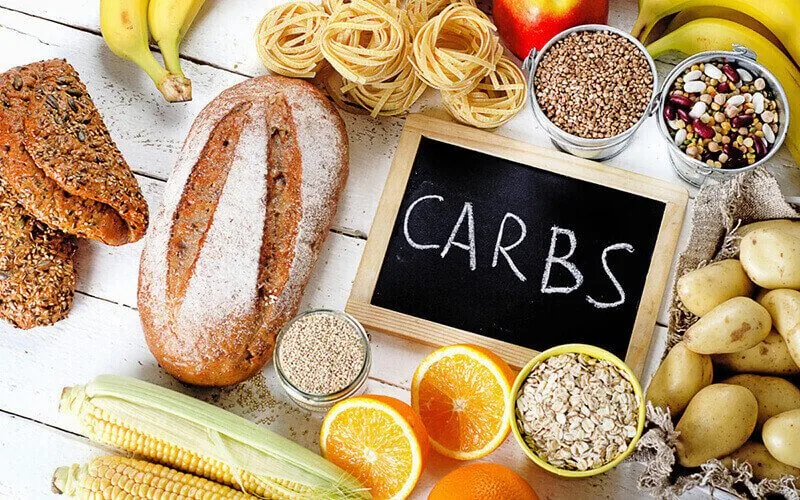
Nutritional Choices That Support Healthy Blood Sugar Levels
– Choose pure water, zero-calorie beverages, or low-fat milk in place of sugar-sweetened sodas, milk teas, and sports drinks.
- Choose nutrient-dense options such as vegetables, fruits, low-fat and low-calorie yogurt, and whole-grain crackers instead of pastries and confections.
- When drinking fruit juice, ensure it is 100% pure juice with no added sugar. The premier choice remains consuming whole fruits rather than juice to obtain dietary fiber, which promotes prolonged satiety.
- Choose fresh fruit for dessert instead of cakes, cookies, pastries, ice cream, and other confections.
- Opt for low-sugar breakfast cereals. Avoid sugar-sweetened cereals.
- Select syrups, jams, and jellies with minimal sugar and fewer preservatives.
Proactively protect your health with our experienced specialist doctors and advanced medical equipment.
📞 BOOK AN APPOINTMENT NOW: (+84) 28 2200 8686 – (+84) 901 295 399
⏰ Monday – Saturday: Morning 7:30 AM – 12:00 PM, Afternoon 1:30 PM – 5:00 PM | 24/7 Emergency: ((+84) 937 389 539)
💳 Full nationwide health insurance coverage & Direct billing for private insurance accepted