
Myocardial Infarction –
Essential Home First Aid Guide

Understanding Myocardial Infarction
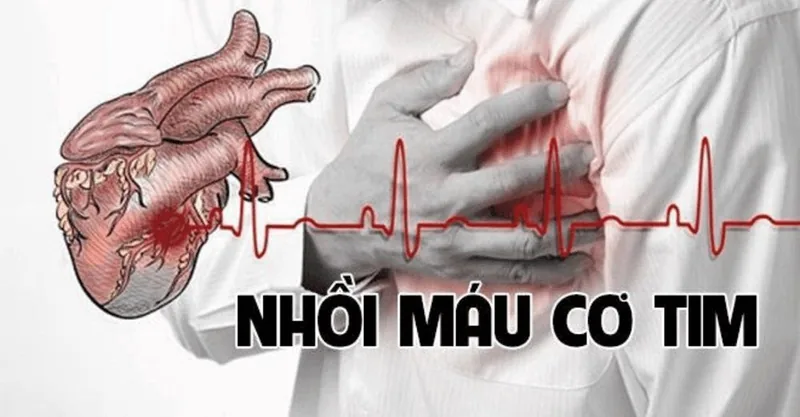
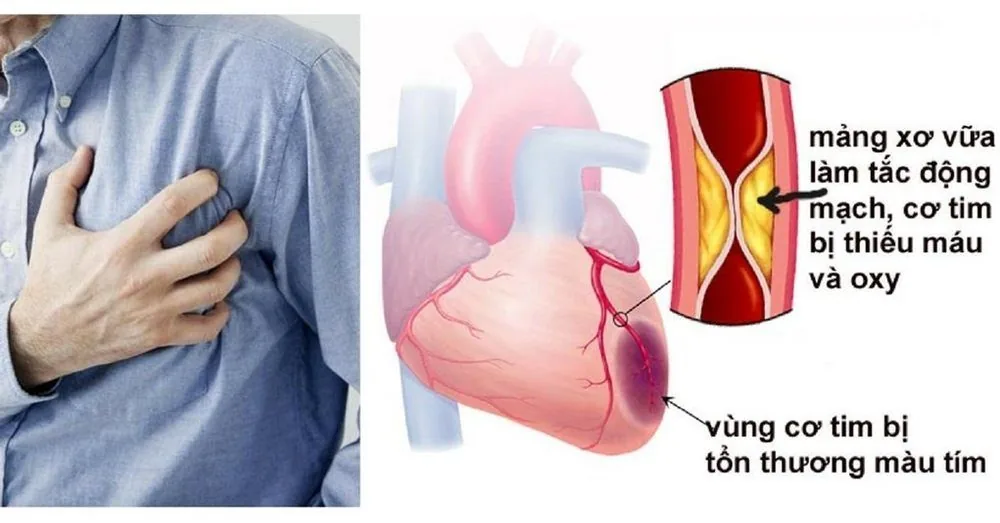
Myocardial infarction is a critical cardiovascular event arising from insufficient blood perfusion to vital bodily structures. It occurs when coronary arterial blood supply is drastically compromised or entirely arrested. This occlusion typically stems from atherosclerotic plaques—composed of cholesterol and cellular debris—lining the coronary arteries. Should a plaque rupture, a thrombus forms, abruptly cutting off blood flow. Deprived of oxygen and vital nutrients, the affected myocardium rapidly sustains ischemic injury and irreversible necrosis.
Disease Classification and Staging
- Myocardial infarction can be classified according to severity, pathogenic mechanism, and anatomical site of occlusion. According to severity, myocardial infarction can be categorized into acute myocardial infarction and chronic myocardial ischemia.
- Acute Myocardial Infarction A medical emergency that can prove fatal within hours in the absence of immediate intervention.
- Ischemic Heart Disease A chronic condition amenable to clinical management and myocardial rehabilitation.
- According to the pathogenic mechanism, myocardial infarction can be divided into atherosclerotic myocardial infarction (the primary cause) and non-atherosclerotic myocardial infarction (less common, resulting from congenital pathologies, inflammatory conditions, or coronary artery spasm).
- Depending on the occluded coronary artery branch, myocardial infarction can be classified into anterior wall myocardial infarction, posterior wall myocardial infarction, and inferior wall myocardial infarction.
Etiology and Clinical Symptoms
The etiology of myocardial infarction centers upon established cardiovascular risk factors, divided into non-modifiable determinants (such as age, biological sex, and genetic predisposition) and modifiable variables (including hypertension, dyslipidemia, diabetes mellitus, obesity, tobacco use, chronic psychological stress, and physical inactivity). These risk factors accelerate plaque formation and plaque vulnerability within the coronary tree, predisposing to luminal occlusion and subsequent myocardial infarction.
Clinical Manifestations of Myocardial Infarction
- Angina pectoris: The most alarming clinical indicator, typically presenting as severe retrosternal or left precordial chest pressure. The discomfort may radiate to the neck, mandible, shoulder, left arm, or bilaterally, persisting from several minutes to hours, unresponsive to physical rest or conventional analgesics.
- Dyspnea, profound fatigue, diaphoresis (cold sweats), lightheadedness, vertigo, and acute anxiety.
- Epigastric distress, nausea, and emesis in select cases (frequently characteristic of inferior myocardial infarction).
Therapeutic Principles and Management of Complications
- Patients experiencing myocardial infarction must be transported to a specialized medical facility as promptly as possible to minimize myocardial necrosis and prevent critical complications. Core therapeutic principles include:
- Pre-Hospital First Aid Measures: The patient must maintain absolute bed rest or a semi-Fowler's (semi-seated) position, loosen restrictive garments, remain calm, and immediately summon emergency medical services for transport to the nearest hospital. Current medications should not be altered without medical authorization.
- In-Hospital Medical Management: Supplemental oxygen administration as clinically indicated; initiation of anticoagulants, antiplatelet therapy, and coronary vasodilators; hemodynamic and antiarrhythmic stabilization; and targeted interventions for concurrent acute heart failure or pulmonary edema.
- Coronary Revascularization for Occluded Arteries: To achieve timely reperfusion of the ischemic myocardium, interventional modalities include percutaneous coronary intervention (balloon angioplasty with stent placement in the compromised artery), coronary artery bypass graft (CABG) surgery utilizing arterial or venous conduits, or pharmacological thrombolysis.
- Long-Term Management: Patients must adhere closely to their physician's prescription, which typically comprises antiplatelet agents, lipid-lowering medications, antihypertensives, antiarrhythmics, and heart failure therapies.
- Cardiovascular complications of myocardial infarction may include:
- Suy tim: ...a condition in which the heart can no longer pump sufficient blood to meet the body's needs, precipitating symptoms such as dyspnea, edema, chronic fatigue, and diminished physical resilience.
- Arrhythmia

- Sante Hospital was founded with the dedicated mission to deliver timely screening, precise diagnosis, and advanced treatment for cardiovascular diseases, including myocardial infarction, cardiomyopathy, heart failure, cardiac arrhythmias, coronary artery disease, etc.
- With an esteemed team of highly experienced specialists, we deliver optimal solutions in diagnostic evaluation, therapeutic management, and attentive clinical care—facilitating recovery, restoring vitality, and progressively enhancing the quality of life for every patient.
- ————————————
Sante Hospital – Caring with all our heart
Address: 11A Dinh Bo Linh, Ward 24, Binh Thanh District, Ho Chi Minh City
Hotline: (+84) 28 2200 8686
Email: info@santehospital.com
Website: www.benhviensante.com
Proactively protect your health with our experienced specialist doctors and advanced medical equipment.
📞 BOOK AN APPOINTMENT NOW: (+84) 28 2200 8686 – (+84) 901 295 399
⏰ Monday – Saturday: Morning 7:30 AM – 12:00 PM, Afternoon 1:30 PM – 5:00 PM | 24/7 Emergency: ((+84) 937 389 539)
💳 Full nationwide health insurance coverage & Direct billing for private insurance accepted
