
Post-COVID-19 health issues

Post-COVID-19 Health Conditions and Considerations
Following a COVID-19 infection, individuals may experience prolonged malaise or the emergence of new clinical symptoms, regardless of the initial acute illness severity or viral variant. When these symptoms persist for at least two months and cannot be attributed to an alternative diagnosis, the condition is clinically recognized as 'Post-COVID-19 Syndrome' (Long COVID).
What are the clinical manifestations of Post-COVID-19 Syndrome?
More than 200 post-COVID-19 manifestations have been identified, impacting multiple physiological organ systems, including the cardiovascular, pulmonary, renal, neurological, and integumentary systems.

Common persistent systemic symptoms following acute COVID-19 infection include chronic fatigue, unexplained weight loss, and diaphoresis (night sweats / excessive sweating).
Respiratory System

- Cough, dyspnea or shortness of breath on exertion, wheezing.
- Common sequelae: pneumonia, bronchopneumonia, pulmonary fibrosis,..
Cardiovascular System
– Chest pain, palpitations, shortness of breath, and diminished exercise tolerance.
– Cardiac arrhythmias and orthostatic hypotension.
Neurological System
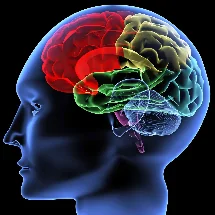
- Common psychological and cognitive symptoms include:
• The 'brain fog' syndrome – characterized by confusion, lack of concentration, memory decline, forgetfulness, sluggishness, and decreased sharpness....
• Headache, dizziness, emotional disturbances, depression, anxiety disorders, insomnia, reduced or lost sense of smell and taste...
Vascular System
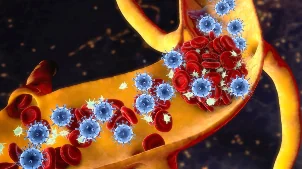
– It can cause venous and arterial thrombosis in patients.
– Causes ischemia in organs or, more severely, necrosis of tissues, including muscle cells, brain, kidneys, spleen, lungs, etc.
Integumentary System (Dermatology, Hair, and Nails)
Telogen effluvium/alopecia (hair loss), urticaria, erythema, vesicular eruptions, wheals/edematous papules, and cutaneous necrosis.
Additionally, patients may present with arthralgia and myalgia, gastrointestinal disturbances, hepatic or renal impairment, and menstrual cycle irregularities.
Additional clinical considerations

Patients may also present with abnormalities such as:
– Blood glucose and thyroid hormone disorders, decreased glomerular filtration rate;
– Persistent elevation of cardiac enzymes, coagulopathy
– Respiratory dysfunction, pulmonary fibrosis, bronchiectasis
– Ventricular dysfunction through echocardiography...
Therefore, should symptoms persist following a COVID-19 infection, we advise seeking a comprehensive medical evaluation and diagnostic testing to assess your overall health.
Strategies for managing and alleviating post-COVID-19 conditions
– A proper diet and lifestyle, enhanced nutrition, and adequate hydration
– Avoid stress, quit smoking.
– Exercise, breathing exercises, physical therapy for rehabilitation, and appropriate medication treatment to improve health and enhance quality of life.
Prevention of COVID-19 and long-term post-infection sequelae
1. Complete COVID-19 vaccination

2. Wash hands frequently and properly after contact with surfaces.

3. Wear a mask and maintain distance from F0.

4. Healthy lifestyle, adequate nutrition.
Proactively protect your health with our experienced specialist doctors and advanced medical equipment.
📞 BOOK AN APPOINTMENT NOW: (+84) 28 2200 8686 – (+84) 901 295 399
⏰ Monday – Saturday: Morning 7:30 AM – 12:00 PM, Afternoon 1:30 PM – 5:00 PM | 24/7 Emergency: ((+84) 937 389 539)
💳 Full nationwide health insurance coverage & Direct billing for private insurance accepted
