
Dengue Fever

Understanding Dengue Fever
- Dengue fever is an acute infectious disease caused by the Dengue virus, primarily transmitted by Aedes mosquitoes. This condition can lead to life-threatening complications if not promptly and appropriately managed. This article provides comprehensive medical insights into the pathology, classification, causes, symptoms, treatment modalities, and prevention of dengue fever.
- Dengue fever is a pathology induced by the Dengue virus, which comprises four distinct serotypes: DEN-1, DEN-2, DEN-3, and DEN-4. The virus is predominantly transmitted between humans via striped mosquitoes (Aedes aegypti and Aedes albopictus), recognizable by white markings on their legs and thorax. Upon biting an infected individual, the virus enters the bloodstream and replicates within white blood cells, the liver, bone marrow, and other tissues, subsequently causing vascular endothelial damage that leads to plasma leakage and hemorrhage.
Clinical Classification of Dengue Fever
- Dengue fever can be clinically classified into two categories: mild dengue fever and severe dengue fever.
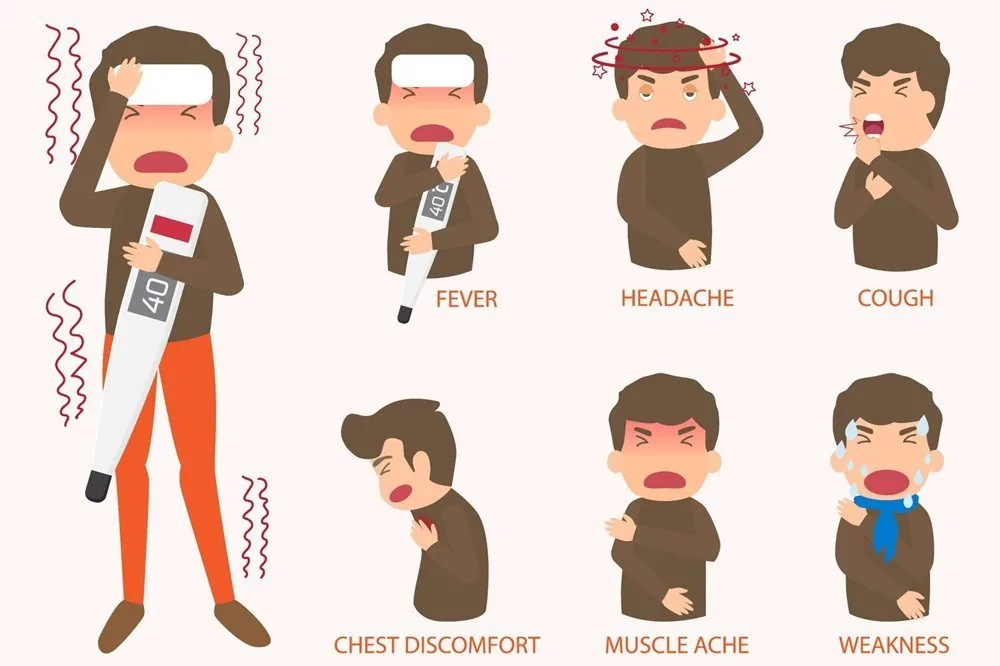
- Mild dengue fever typically presents with high-grade fever, cephalalgia (severe headache), arthralgia, myalgia, maculopapular rash, nausea, and vomiting.
- Severe dengue is characterized by sustained high fever, mucosal and cutaneous petechiae, epistaxis, hematemesis or melena, marked thrombocytopenia, and hemodynamic instability resulting in hypotension.Severe dengue may rapidly escalate to Dengue Shock Syndrome (DSS) secondary to acute plasma leakage and internal blood loss.
– The clinical trajectory of dengue infection progresses through three recognized phases: the febrile phase, the critical phase, and the recovery phase.
- The febrile phase typically lasts 2 to 7 days, during which patients develop sudden high fever (exceeding 38.5°C), pronounced headache, myalgia, arthralgia, and cutaneous rash.
- The critical phase typically coincides with defervescence (the subsidence of fever) and lasts approximately 24 to 48 hours. This represents the most vulnerable window, during which severe complications such as internal hemorrhage and hypovolemic shock may occur.
- The recovery phase ensues as the patient navigates beyond the critical period and begins demonstrating systemic clinical improvement. Continuous monitoring remains imperative, as excessive fluid reabsorption during this phase may occasionally precipitate pulmonary edema or heart failure.

Etiology of Dengue Fever and Common Manifestations
– Dengue fever is caused by the Dengue virus and transmitted between individuals via Aedes mosquitoes. These vectors flourish in tropical and subtropical regions characterized by humid, rainfall-rich climates. They are diurnal biters, most active in the early morning and late afternoon, and routinely lay their eggs in stagnant domestic water receptacles such as floral vases, discarded tires, buckets, and open basins.
– Symptoms of dengue fever typically emerge after an incubation period of 4 to 10 days following a mosquito bite. Common clinical signs include:
- High fever (exceeding 38.5°C), persisting for 2 to 7 days
- Severe headache, characteristically localized behind the eyes (retro-orbital pain)
- Generalized muscle, joint, and bone aches (myalgia and arthralgia)
- Skin rash, typically manifesting 2 to 5 days following the onset of fever
- Nausea and vomiting
- Epistaxis, hematemesis, or gastrointestinal bleeding with melena (in severe presentations)
- Mucocutaneous hemorrhage (manifesting as petechiae, purpura, or ecchymosis)
- Thrombocytopenia (platelet count under 100,000/mm³)
- Hypotension (systolic blood pressure <90 mmHg or diastolic blood pressure <60 mmHg)
Clinical Management of Dengue Fever and Its Complications
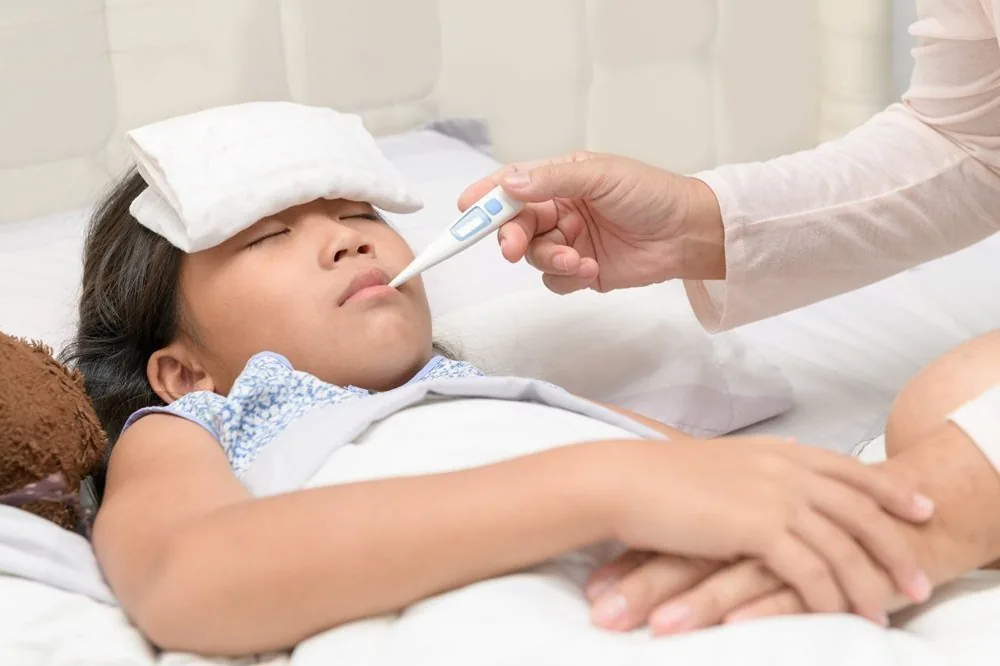
Currently, there is no targeted antiviral therapy for dengue fever; clinical care centers primarily on supportive management and symptom relief. Patients are advised to secure adequate bed rest and maintain optimal hydration through oral fluids and electrolyte solutions. Antipyretics such as paracetamol may be administered to alleviate fever and physical discomfort. However, nonsteroidal anti-inflammatory agents such as aspirin and ibuprofen must be strictly avoided, as they significantly heighten hemorrhagic risks.
Close monitoring of vital parameters—including body temperature, blood pressure, platelet counts, and hematocrit levels—is imperative to detect early signs of the critical phase or dengue shock syndrome. Should any adverse indicators arise, immediate hospitalization is required for prompt medical intervention. Without timely and expert management, dengue fever can be life-threatening or result in debilitating complications.
Preventive measures
Preventive measures against dengue fever aim to interrupt the transmission of the Dengue virus by Aedes mosquitoes, guided by two primary pillars: individual protection and community-wide intervention.
Individual protective protocols include the following measures:
- Wearing long-sleeved shirts and trousers to safeguard skin against mosquito bites.
- Utilizing clinically approved insect repellents and protective devices such as repellent diffusers, lamps, or coils.
- Refraining from outdoor exposure during peak mosquito foraging hours, notably at dawn and dusk.
- Receiving dengue vaccination where clinically indicated and available. The Dengvaxia vaccine is currently licensed in select countries; however, its administration is recommended exclusively for individuals aged 9 to 45 who have a documented history of prior laboratory-confirmed Dengue infection.
Community-wide prevention strategies encompass the following initiatives:
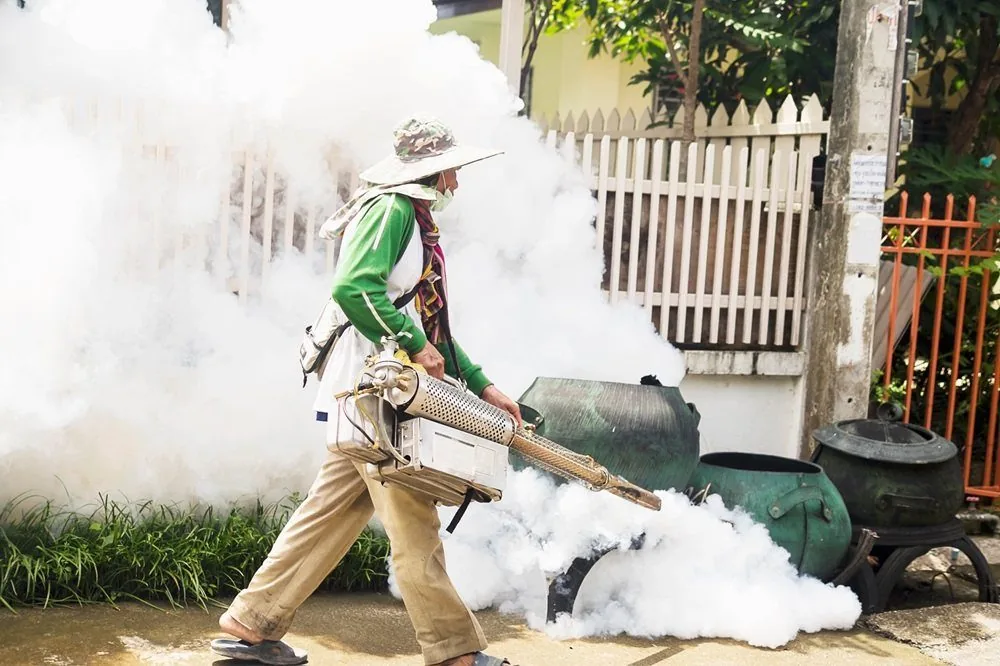
- Eradicating adult mosquitoes and larvae through regulated insecticides or biological vector control agents.
- Eliminating standing water reservoirs—such as flower vases, discarded tires, buckets, and decorative basins—to prevent mosquito oviposition.
- Firmly sealing or covering domestic water storage containers to deny mosquitoes access for breeding.
- Promptly notifying local public health authorities upon identifying confirmed or suspected cases to facilitate rapid epidemiological intervention.
Dengue fever is a severe infectious disease that carries potential mortality without early clinical identification and intervention. Consequently, heightened vigilance and cohesive engagement across both individual and community levels remain essential in controlling and preventing this condition.
Contact us immediately for consultations and to book an appointment with leading specialists at Sante Hospital:
Proactively protect your health with our experienced specialist doctors and advanced medical equipment.
📞 BOOK AN APPOINTMENT NOW: (+84) 28 2200 8686 – (+84) 901 295 399
⏰ Monday – Saturday: Morning 7:30 AM – 12:00 PM, Afternoon 1:30 PM – 5:00 PM | 24/7 Emergency: ((+84) 937 389 539)
💳 Full nationwide health insurance coverage & Direct billing for private insurance accepted