
Are Cirrhosis and Liver Cancer the Same? Key Warning Signs

Cirrhosis and liver cancer: detailed explanation
Understanding Liver CirrhosisWhat is liver cancer?
- Liver cirrhosis (hepatic cirrhosis) is a life-threatening, progressive chronic liver disorder. This pathological state is distinguished by protracted hepatocellular injury, wherein functional hepatic parenchyma is irreversibly supplanted by non-functional fibrotic scar tissue. As fibrosis advances, it disrupts intrahepatic hemodynamics, triggering severe hepatic decompensation. Critical clinical complications include gastrointestinal hemorrhage, hepatic encephalopathy, ascites, hepatorenal syndrome, end-stage liver failure, and an amplified risk of hepatocellular carcinoma (liver cancer)—all posing immediate threats to patient survival.
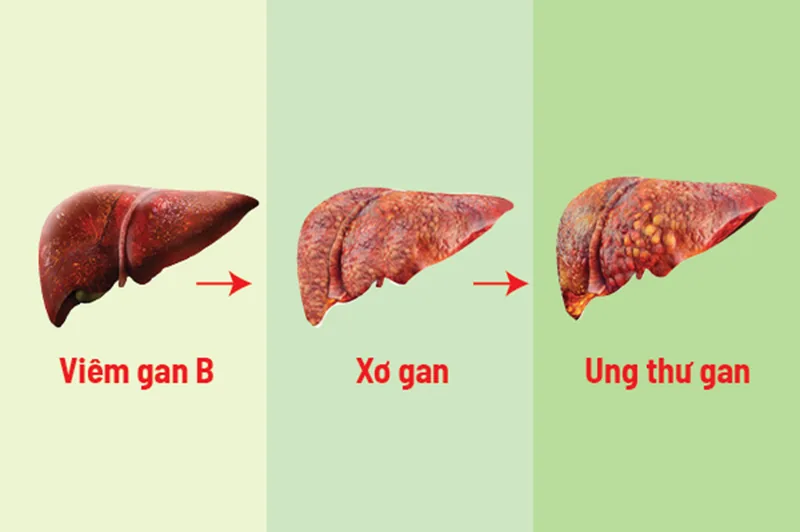
Cirrhosis and liver cancer
- Liver cirrhosis stems from diverse etiologies, encompassing viral hepatitis, chronic alcohol abuse, non-alcoholic liver injury (NAFLD/NASH), biliary cirrhosis, autoimmune hepatitis, hepatic metabolic storage disorders (iron and copper overload, such as hemochromatosis and Wilson's disease), among other clinical factors.
- Liver cancer (primarily hepatocellular carcinoma) is a malignant neoplasm arising from the aberrant, uncontrolled proliferation of hepatocytes. These malignant hepatic neoplasms exhibit aggressive local invasive properties into contiguous structures as well as distant metastatic dissemination.
Is cirrhosis liver cancer?
- Cirrhosis is distinct from liver cancer. Cirrhosis is a chronic hepatic pathology wherein prolonged cellular injury results in the replacement of healthy hepatic parenchyma with fibrotic tissue. Although cirrhosis represents a major predisposing substrate for oncogenesis, not all cirrhotic patients invariably progress to liver cancer.
- Additional synergistic risk factors contribute to hepatocarcinogenesis. These encompass hepatitis B virus (HBV), hepatitis C virus (HCV), chronic alcohol abuse, hereditary genetic mutations, exposure to oncogenic toxins such as aflatoxin B1, metabolic obesity, and non-alcoholic fatty liver disease (NAFLD).
- Consequently, although cirrhosis is a critical driver in the oncogenic trajectory of hepatic malignancy, it is not synonymous with liver cancer. Cirrhosis denotes chronic parenchymal fibrosis, whereas liver cancer constitutes an autonomous malignant neoplasm within the liver.
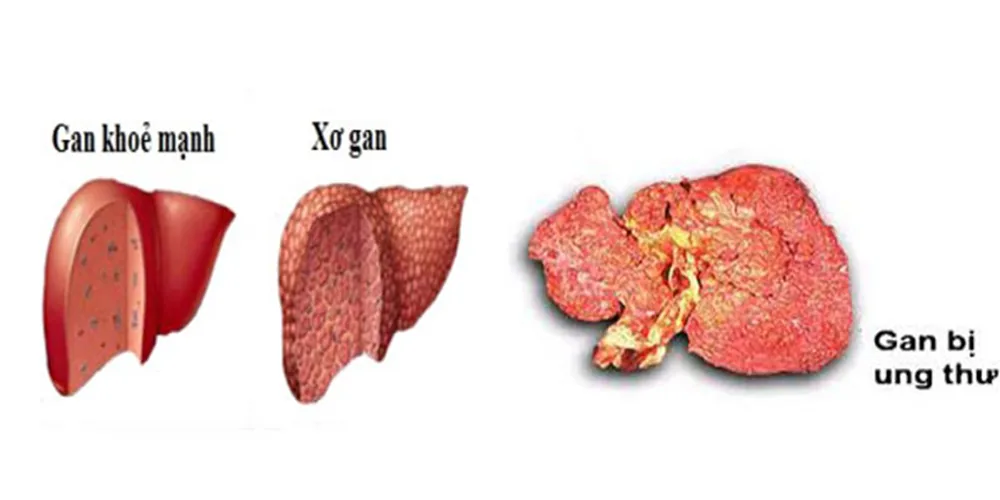
Q&A: Is Cirrhosis Liver Cancer?
Early detection of cirrhosis prevents the risk of progression to liver cancer
Recognizing Cirrhosis Through Symptoms
In the early stages of cirrhosis, patients usually have no clear symptoms. However, as liver damage worsens over time, the following symptoms may appear:
Yellowing of the eyes and skin: Due to the accumulation of bilirubin in the body when the liver is unable to metabolize this toxin into an easily excretable form.
Abdominal bloating: Hepatic inflammation and hepatomegaly exert pressure on surrounding organs, leading to abdominal distension and pain.
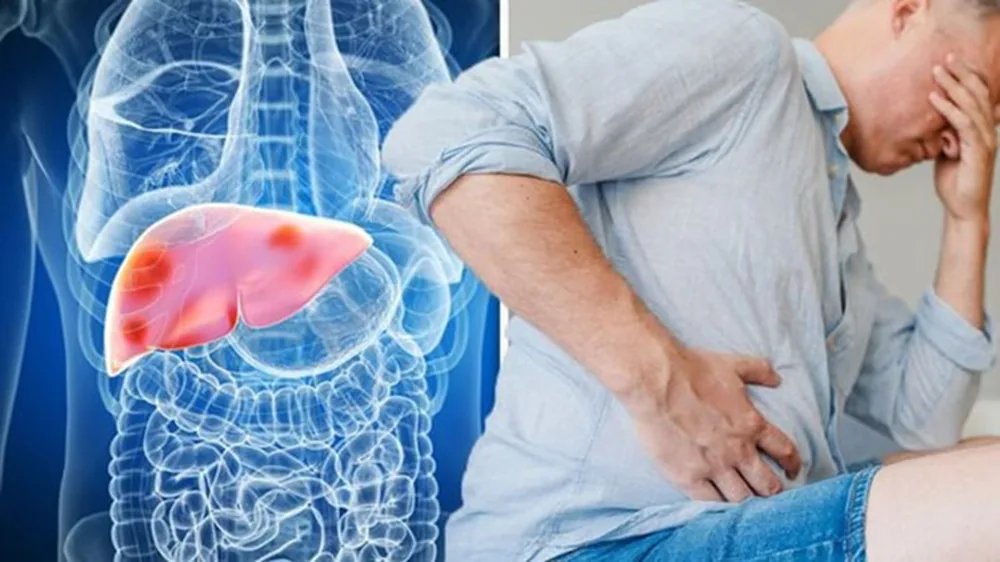
Detection of cirrhosis through clinical symptomsg
Gastrointestinal disorders: Patients may experience symptoms such as nausea, vomiting, abdominal pain, dyspepsia, diarrhea, or constipation.
Hematemesis: Severe cirrhosis can damage blood vessels and cause gastrointestinal bleeding, leading patients to vomit blood.
Dark-colored urine: Hepatic damage may lead to elevated bilirubin levels in the urine, causing the urine to appear darker than normal.
Decline in sexual function: Men may experience erectile dysfunction and decreased libido. Women may experience missed menstrual cycles or complete cessation of menstruation.
Breast development and ptosis: Men may experience breast development and breast enlargement or sagging due to increased estrogen levels in the body.
Diagnosis of Cirrhosis Through Specialized Laboratory Investigations and Health Screenings
- Regular hepatobiliary health check-ups are an essential clinical measure for the early detection of cirrhosis and associated risk factors. Undergoing periodic examinations every 6 months enables accurate evaluation of hepatic status, guides therapeutic strategies, and halts the progression of liver diseases.
- Periodic hepatobiliary screening modalities include:
Blood tests: Blood tests will evaluate liver parameters such as liver function, liver enzymes, bilirubin levels, and related toxins. Blood test results can provide important information about liver condition and detect abnormalities.
Liver ultrasound: Liver ultrasound utilizes sound waves to produce images of the liver, allowing physicians to evaluate its size, architecture, and abnormalities. Ultrasound can also detect the presence of cirrhosis and hepatic tissue changes.
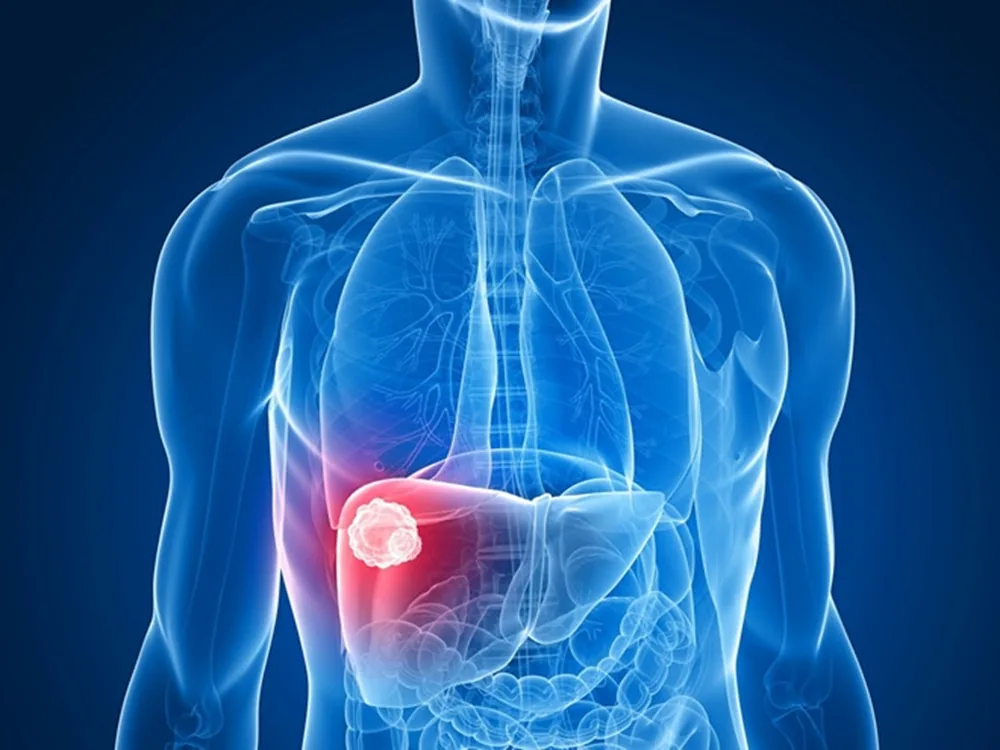
Periodic Health Evaluations: Timely Diagnosis and Management of Cirrhosis
Computed Tomography (CT) Scan: A liver CT scan utilizes X-ray technology to generate cross-sectional, detailed images of the liver. Through CT imaging, physicians can evaluate the hepatic size, morphology, and parenchymal structure to assess overall liver health.
Liver biopsy: In some cases of suspected cirrhosis, the doctor may perform a liver biopsy. This procedure involves obtaining a small sample of liver tissue for analysis under a microscope. The liver biopsy results provide accurate information about the condition and extent of liver damage.
What should be done when cirrhosis is detected?
- In the event that cirrhosis is diagnosed, therapeutic intervention must focus directly on the underlying etiology of hepatic injury to prevent complications and retard the progressive formation of fibrotic scar tissue within the liver.
- Under the direction of your attending physician, strict adherence to the prescribed clinical protocol is required, including:
Diet and Lifestyle Regimen: You must maintain a healthy, balanced diet, avoiding hepatotoxic substances such as alcohol, saturated fats, and refined sugars. Minimize exposure to other toxins including chemicals, tobacco smoke, e-cigarettes, and environmental pollutants. You should engage in regular physical exercise and maintain a healthy body weight.
Medication use: Doctors may prescribe medications to reduce inflammation and manage symptoms of cirrhosis. These medications may include anti-inflammatory agents, immunosuppressants, or antioxidants, depending on the specific cause of liver damage.
Periodic medical care: You need to adhere to a regular health check-up schedule with your doctor to monitor liver condition and treatment effectiveness. This allows the doctor to assess disease progression and adjust treatment methods if necessary.
Additionally, do not miss any treatment regimens and strictly adhere to the dosage and duration of medication as prescribed by your doctor. This helps prevent liver cirrhosis from becoming more complicated and difficult to treat. Always discuss and consult your doctor during the treatment process.
What should we do to prevent cirrhosis and liver cancer?
Hepatitis B vaccination
- Ensure hepatitis B vaccination for both pediatric and adult populations, particularly individuals with low antibody titers or complete seronegativity. Vaccination confers robust protection against the hepatitis B virus, thereby mitigating the long-term risks of cirrhosis and hepatocellular carcinoma.
Treatment of chronic hepatitis B, C
If you have chronic hepatitis B or C, strictly adhere to your physician's prescriptions and follow-up appointments to monitor your liver condition and mitigate complications such as cirrhosis and liver cancer.
Healthy diet and lifestyle
Avoid consuming raw food to reduce the risk of parasitic infections. Consume clean food free of harmful chemical colorings to protect the liver. Limit the intake of alcohol, stimulants, and fried or grilled foods, as they increase the liver's burden in detoxifying substances.
Maintain a healthy lifestyle
- Ensure sufficient, restorative sleep on a consistent schedule and maintain an optimal body weight through regular physical exercise. This regimen effectively prevents overweight and obesity while enhancing overall hepatic function.
- In summary, early detection and definitive management of hepatic conditions represent the most effective strategy to arrest the aggressive progression of cirrhosis and liver cancer. Timely intervention substantially lowers the risk of neoplastic transformation and significantly optimizes clinical prognosis.
- Adopting preventive strategies—such as active immunization, adhering to a balanced nutritional regimen, sustaining a wholesome lifestyle, and participating in routine medical evaluations—is paramount in reducing the incidence of cirrhosis and liver cancer.
Proactively protect your health with our experienced specialist doctors and advanced medical equipment.
📞 BOOK AN APPOINTMENT NOW: (+84) 28 2200 8686 – (+84) 901 295 399
⏰ Monday – Saturday: Morning 7:30 AM – 12:00 PM, Afternoon 1:30 PM – 5:00 PM | 24/7 Emergency: ((+84) 937 389 539)
💳 Full nationwide health insurance coverage & Direct billing for private insurance accepted