
Acute Respiratory Infections in Children

Acute Respiratory Infection: Complacency Poses Serious Risks
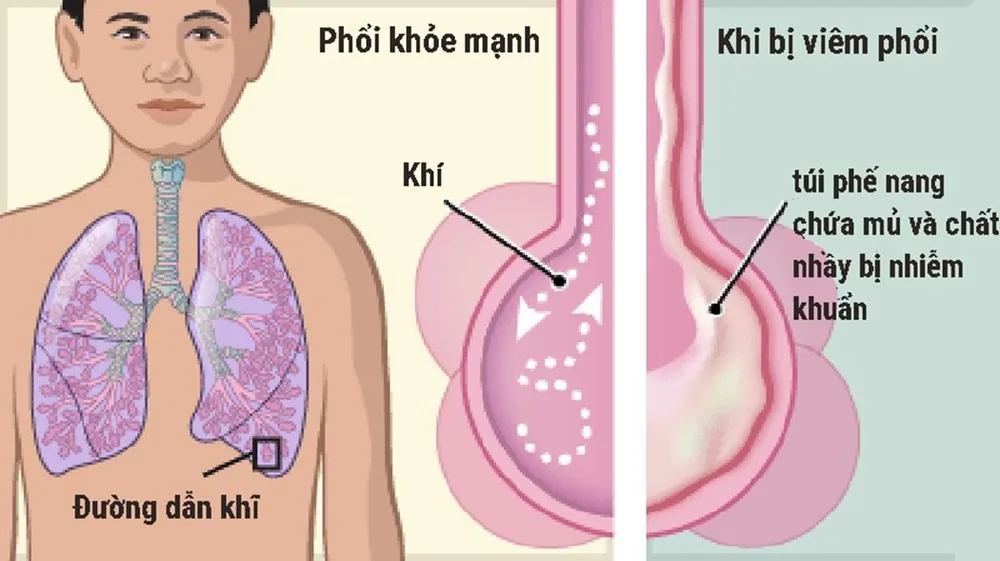
Acute respiratory infections can occur across all age groups and may lead to severe complications if not managed properly. This is also the leading cause of mortality in children, predominantly attributed to pneumonia.
What Is an Acute Respiratory Infection?
Acute respiratory infection is a collective medical term for a spectrum of pathologies that impair a patient's respiratory function. This category encompasses: upper respiratory tract infections (affecting the nose, sinuses, pharynx, ears, and larynx) and lower respiratory tract infections (affecting the trachea, bronchi, bronchioles, and alveoli).
Signs Indicating Suspected Acute Respiratory Infection in Children
Symptoms of acute respiratory infections vary depending on whether the infection affects the upper or lower respiratory tract. Common clinical manifestations include:
- Rhinorrhea (runny nose), sneezing, and nasal congestion
- Otalgia (ear pain) and purulent otorrhea (ear discharge)
- Fever, headache, and dizziness
- Sore throat (pharyngeal pain)
- Dry cough or productive cough (with sputum)
- Wheezing, tachypnea (rapid breathing), or dyspnea (shortness of breath)
Etiology of Acute Respiratory Infections
Acute respiratory tract infections occur when children are infected with bacteria or viruses. These pathogens are easily transmitted via the respiratory route (airborne droplets and inhalation). In particular, nursery and daycare-aged children face a significantly higher risk of transmission and infection.
Diagnosis of Acute Respiratory Tract Infections
To establish an accurate diagnosis, the physician will take a medical history and conduct a comprehensive physical examination, focusing on the respiratory system through throat examination, chest auscultation, and more. Additionally, the doctor may order chest X-rays or laboratory tests to optimize diagnosis and clinical management.
Treatment of Acute Respiratory Tract Infections
Treatment protocols are tailored based on the severity and clinical presentation of the illness. For mild cases, symptomatic management is generally sufficient to achieve complete recovery. In severe cases, however, a combined regimen of medications and respiratory supportive therapies is required, and hospitalization may be necessary.
Effective Disease Prevention
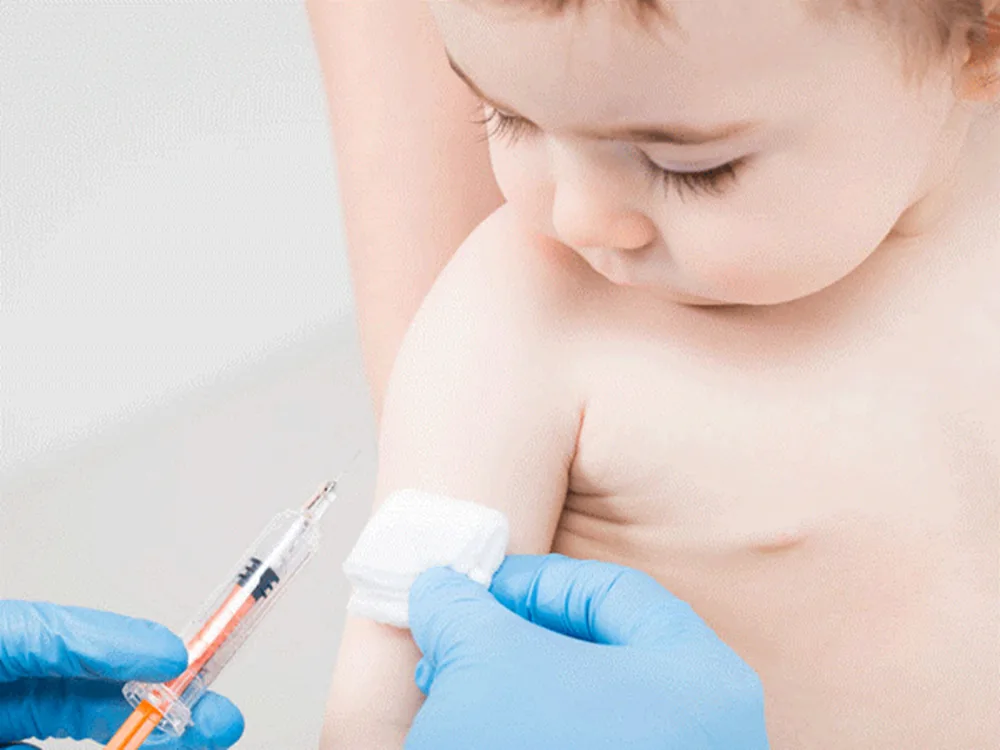
Children can be vaccinated with vaccines such as MMR (measles, mumps, and rubella combined vaccine), vaccines against pneumonia-causing agents, etc. Keep children warm when it's cold, and ensure that the living space is always well-ventilated. Provide children with a balanced diet to enhance their immunity. Parents should not be complacent. If children show signs of suspected respiratory infections, they should be taken for immediate examination to receive timely treatment and avoid complications.
Proactively protect your health with a team of experienced specialists and modern medical equipment system.
📞 MAKE AN APPOINTMENT NOW: (+84) 28 2200 8686 – (+84) 901 295 399
⏰ Monday – Saturday: Morning 7:30 AM – 12:00 PM, Afternoon 1:30 PM – 5:00 PM | 24/7 Emergency: ((+84) 937 389 539)
💳 Full nationwide health insurance coverage & Direct billing for private insurance accepted