
What is acute pharyngitis? Causes, symptoms, and prevention methods.


Learn more about the causes, clinical presentations, treatments, and preventive measures for this condition in this clinical overview, reviewed by MSc, MD. Le Thi Tam Ngoc:
Understanding Acute Pharyngitis
Acute pharyngitis is an inflammatory infection of the pharyngeal mucosa, commonly presenting with sore throat, dysphagia, cough, pyrexia, and cervical lymphadenopathy. It can stem from various etiologies, with viral and bacterial agents being the most prevalent.
Classification of Acute Pharyngitis
Acute pharyngitis can be classified by severity, duration, and underlying etiology. By severity, it is categorized into uncomplicated acute pharyngitis and complicated pharyngitis (presenting with complications such as peritonsillar cellulitis/abscess, laryngitis, or pneumonia). By duration, it is divided into acute (persisting under 3 weeks) and subacute or chronic (exceeding 3 weeks). By causative pathogen, cases are differentiated into viral pharyngitis (comprising approximately 70% of presentations) and bacterial pharyngitis (accounting for approximately 30%).
Etiology of Acute Pharyngitis
Acute pharyngitis primarily occurs through respiratory transmission and environmental exposure, including airborne pollutants, tobacco smoke, and dust particles, or direct contact with infected droplets, saliva, and nasal secretions from coughing or sneezing. Common viral pathogens include Adenovirus, Influenza, Epstein-Barr virus (EBV), Herpes simplex virus (HSV), and Measles. Notable bacterial etiologies include Group A Streptococcus (GAS), Corynebacterium diphtheriae, Chlamydia, and Neisseria gonorrhoeae.
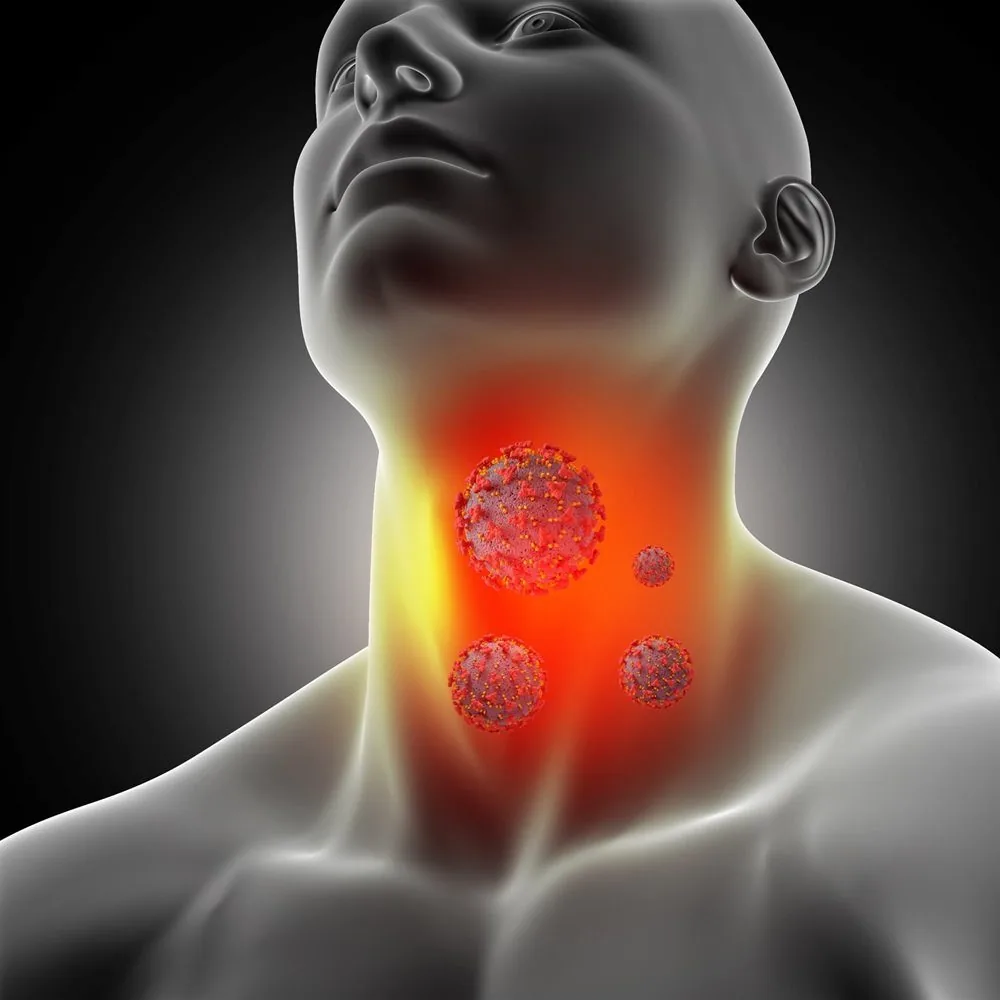
Symptoms of Acute Pharyngitis
Common clinical manifestations of acute pharyngitis typically include:
- Sore, dry, and irritated throat, particularly exacerbated by swallowing, speaking, or coughing.
- Fever, chills, headache, generalized myalgia, and loss of appetite.
- Cough, rhinorrhea (runny nose), hoarseness, and referred ear pain.
- Cervical lymphadenopathy, occasionally accompanied by tenderness upon palpation.
- Erythema and edema of the pharyngeal mucosa, potentially accompanied by mucoid or purulent exudates.
- Tonsillar erythema and swelling, frequently presenting with purulent exudates.
Treatment Protocol for Acute Pharyngitis
- The clinical management protocol for acute pharyngitis depends on the underlying etiology. In the case of a viral infection, management is primarily supportive, aimed at alleviating symptoms and enhancing host resistance. Therapeutic interventions may include:
- Prioritizing restorative rest, maintaining optimal hydration, and consuming a gentle, nutrient-dense diet rich in essential vitamins and minerals.
- Regularly gargling with warm saline solution, honey-lemon water, or prescribed antiseptic and anti-inflammatory oral rinses.
- Administration of analgesics, antipyretics, and anti-inflammatory medications such as paracetamol or ibuprofen (aspirin is strictly contraindicated in pediatric patients).
- Judicious use of antitussives, mucolytics, and nasal decongestants, including codeine, guaifenesin, and pseudoephedrine, as clinically indicated.
- Employing therapeutic throat lozenges or oral sprays formulated with anesthetic, antiseptic, or anti-inflammatory agents such as benzocaine, hexetidine, or phenol.
- If the condition is caused by a bacterial pathogen, antibiotic therapy is mandatory to eradicate the bacteria and prevent severe complications. Commonly prescribed antibiotics include penicillin, ampicillin, erythromycin, azithromycin, cefuroxime, etc. Antibiotics may be administered orally, parenterally via injection, or via throat spray. Additionally, the supportive care measures outlined above should also be concurrently applied.
Potential complications of acute pharyngitis include:
Peritonsillar Abscess / Phlegmon: An acute suppurative infection of the tissue surrounding the tonsils, presenting with pronounced swelling, severe dysphagia, trismus (difficulty opening the mouth), high-grade fever, and vomiting. Definitive management may necessitate needle aspiration, incision and drainage, or tonsillectomy.
- Laryngitis: An inflammatory condition of the larynx, manifested by dyspnea, inspiratory stridor, dry cough, throat irritation, and fever. This represents a potentially critical condition if upper airway compromise ensues.
- Pneumonia: An inflammatory infection involving the pulmonary parenchyma, presenting with productive cough, dyspnea, pleuritic chest pain, fever, and rigors. Without prompt intervention, it may advance to severe respiratory failure.
- Rheumatic Heart Disease (Myocarditis): An inflammatory process affecting the pericardial and cardiac tissues, manifesting as precordial chest pain, generalized fatigue, dyspnea, tachycardia, fever, and diaphoresis. If unaddressed, it can precipitate heart failure or ischemic myocardial injury.
- Glomerulonephritis: An inflammatory or post-infectious renal condition, typically presenting with flank pain, dysuria, hematuria, fever, and emesis. This complication carries a significant risk of acute renal impairment and systemic sepsis.
Preventive measures for acute pharyngitis include:
- Wash hands frequently, especially following contact with patients or potentially contaminated surfaces.
- TAvoid close contact with ill individuals, wear a face mask when appropriate, and refrain from sharing food, beverages, or personal items.
- Maintain body warmth, dress appropriately for the climate, and avoid sudden fluctuations in temperature.
- Avoid smoking, alcohol consumption, and exposure to airborne dust and pollutants.
- Enhance and support your immune resilience.
* To be examined and treated by Dr. Le Thi Tam Ngoc, MSc, MD, you can contact to schedule an appointment at Sante Surgical Hospital:
- Website: www.benhviensante.com
- Hotline: (+84) 28 2200 8686
- Email: info@santehospital.com
- Address: 11A Dinh Bo Linh, Ward 24, Binh Thanh District, Ho Chi Minh City
Proactively protect your health with our experienced specialist doctors and advanced medical equipment.
📞 BOOK AN APPOINTMENT NOW: (+84) 28 2200 8686 – (+84) 901 295 399
⏰ Monday – Saturday: Morning 7:30 AM – 12:00 PM, Afternoon 1:30 PM – 5:00 PM | 24/7 Emergency: ((+84) 937 389 539)
💳 Full nationwide health insurance coverage & Direct billing for private insurance accepted